Picking a roof for your house can feel like a big deal, and honestly, it is. It’s not just about keeping the rain out, though that’s pretty important. The roof you choose really ties your whole home’s look together, and it needs to handle whatever the weather throws at it. Plus, let’s be real, we all have a budget to stick to. So, how do you figure out which roof style is the right fit? It’s a mix of checking out your house’s design, thinking about where you live, and what you can afford. We’ll break it down to help you make a smart choice.
Key Takeaways
- Your home’s architectural style should guide your roof choice. A roof that matches the design makes the whole house look better.
- Climate matters a lot. Think about rain, wind, snow, and even wildfire risks when picking materials and styles.
- Budget is a big factor. Some roof styles cost more to build and maintain than others, so find a balance.
- Popular styles like gable and hip roofs offer good performance, while modern homes might suit flat roofs.
- Always check local rules and talk to a pro. They can help you understand building codes and find the best options for your specific situation.
Understanding Your Home’s Architectural Style
When you’re thinking about a new roof, it’s easy to get caught up in just the materials or how much it’ll cost. But honestly, one of the first things you should really consider is your home’s actual design. The roof isn’t just a cover; it’s a big part of how your house looks from the street, you know, the curb appeal thing.
Matching Roof Shapes to Home Designs
Think of your roof as the hat your house wears. You wouldn’t put a baseball cap on a fancy Victorian house, right? It just wouldn’t look right. The same goes for roofs. Different house styles just naturally go with certain roof shapes. It’s all about making things look balanced and intentional.
- Colonial, Cape Cod, and Traditional Homes: These often look best with a classic gable roof. It’s that simple triangle shape you see everywhere. It’s straightforward and works well.
- Ranch, French Provincial, and Mediterranean Homes: These styles tend to have a more spread-out feel, and a hip roof fits right in. A hip roof has slopes on all four sides, giving it a more solid, symmetrical look that complements these designs.
- Modern and Mid-Century Modern Homes: If your house has clean lines and a more minimalist vibe, a flat roof or a shed roof (just one big slope) can really fit the bill. It keeps that sleek, contemporary feel.
- Victorian and French Homes: For houses with lots of detail and a more ornate look, a mansard roof (that one with two slopes on each side) can add a touch of elegance.
- Farmhouses and Dutch Colonials: These might look great with a gambrel roof, which is like a barn roof with two slopes on each side. It adds a bit of rustic charm.
How Roof Style Enhances Curb Appeal
Your roof is one of the biggest surfaces on your house, so its style really impacts the overall look. A roof that matches your home’s architecture makes everything look more put-together. It’s like the finishing touch that ties the whole design together. A well-chosen roof style can make your house look more expensive and inviting, which is always a good thing, whether you plan to sell or just want to enjoy your home more.
Choosing a roof style that complements your home’s architecture isn’t just about looks; it’s about creating a cohesive and harmonious design that makes your house feel complete. It’s the difference between a house that just sits there and one that has character.
Considering Unique Architectural Features
Sometimes, houses have special things going on that you need to think about. Maybe your house has a lot of dormers, or a really unique shape. You’ll want a roof that works with those features, not against them. For example, a very complex roofline might look best with a simpler roof material, or vice versa. It’s about finding that sweet spot where the roof adds to, rather than detracts from, your home’s special details. Don’t forget to think about how the roof will look from different angles, not just from the street. Sometimes, a side view or back view can reveal things you hadn’t considered.
Navigating Climate Considerations for Your Roof
Your roof isn’t just about looks; it’s your home’s first line of defense against the elements. Picking the right style and materials based on your local weather can save you a lot of headaches and money down the road. Think about what your area deals with most – is it constant rain, heavy snow, strong winds, or maybe even wildfires? Each of these brings its own set of challenges for your roof.
Roof Styles for Rainy and Windy Regions
If you live somewhere that gets a lot of rain, you’ll want a roof that helps water drain away quickly. Simple, clean roof planes are generally better than super complex designs with lots of valleys where water can pool. Wide gutters and good quality underlayment are also key players here. For windy areas, hip roofs tend to do really well because they don’t have large, flat surfaces for the wind to catch. Well-braced gable roofs can also hold up, but you’ll want to make sure they’re built strong and use high-wind rated fasteners and ridge caps. It’s all about minimizing places for wind to get under and lift the roofing material.
Choosing Materials for Snow and Ice
Snow and ice can really pile on the weight, so your roof structure needs to be able to handle it. In areas with heavy snowfall, you might need to think about the roof’s pitch to help snow slide off more easily. More importantly, you’ll want to make sure there’s a proper ice barrier installed at the eaves. This is usually a self-adhering waterproof membrane that prevents ice dams from forming, which can cause water to back up under your shingles and leak into your home. Some materials are better at shedding snow than others, and it’s worth discussing this with a local pro.
Protecting Your Home from Wildfire Embers
Wildfire risk is a growing concern in many parts of the country. When choosing roofing materials in these areas, look for options with a Class A fire rating. This is the highest rating and means the material is highly resistant to fire spread. Metal roofing is a great choice for this, as are certain types of composite shingles. Also, pay attention to the flashing around vents and chimneys; metal flashing is generally a safer bet than materials that can easily ignite. Good ventilation is still important, but it needs to be designed in a way that prevents embers from getting into your attic.
When picking your roof, think about the long game. A roof that’s designed for your climate will last longer, perform better, and ultimately protect your home more effectively. It’s an investment in peace of mind.
Here’s a quick rundown:
- Rainy/Windy: Simple planes, wide gutters, hip or well-braced gable roofs.
- Snow/Ice: Proper ice barriers at eaves, consider pitch for shedding, ensure structural support.
- Wildfire Prone: Class A fire-rated materials, metal flashing, ember-resistant vents.
Balancing Budget and Maintenance Needs
When you’re thinking about a new roof, it’s easy to get caught up in how it looks. But let’s be real, the cost and how much work it’ll need down the road are super important too. You don’t want to pick something that looks amazing but breaks the bank or becomes a constant headache.
Cost-Effective Roof Styles
Some roof styles are just simpler to build, which usually means they cost less upfront. Think about a basic gable roof. It’s pretty straightforward for installers, uses materials efficiently, and doesn’t have a ton of tricky angles that add labor time. Simple designs often mean fewer potential leak points too, which is a win for your wallet long-term.
- Gable Roofs: Generally the most budget-friendly due to their simple design.
- Shed Roofs: Also quite simple and cost-effective, especially for smaller structures or additions.
- Asphalt Shingles: This material is usually the most affordable option to start with.
Long-Term Maintenance Expectations
Beyond the initial price tag, consider what it takes to keep your roof in good shape. Some materials and styles need more attention than others. For instance, a roof with lots of valleys and complex angles might collect more debris and leaves, requiring more frequent cleaning. Also, certain materials, like wood shakes, look great but need regular upkeep to prevent issues like moss growth or rot.
A roof’s complexity directly impacts its maintenance needs. Styles with fewer intersections and simpler planes tend to be easier to care for over time, reducing the likelihood of minor issues becoming major repairs.
Affordability of Complex Roof Designs
While simpler roofs are often cheaper, sometimes a more complex design is what really fits your home’s style. Styles like a mansard or gambrel roof, with their multiple slopes and dormers, add a lot of character. However, these designs require more materials, more intricate labor, and can be harder to repair if something goes wrong. It’s a trade-off: you get a unique look, but you’ll likely pay more upfront and potentially down the line for upkeep. When you’re weighing these options, it’s always a good idea to get a detailed quote from a reputable company like Roofing At Its Best LLC. They can help you understand the full picture, from installation costs to expected maintenance for different styles and materials.
Exploring Popular Roof Styles and Their Benefits
The Versatility of Gable Roofs
When you picture a house, chances are you’re imagining a gable roof. It’s the classic triangle shape you see everywhere, and for good reason! This style is super common because it’s pretty straightforward to build, which usually means it’s easier on the wallet. Plus, that triangular shape is fantastic for letting rain and snow slide right off, keeping your home drier. It also gives you a good amount of space in the attic, which is handy for storage or just letting your house breathe better. Gable roofs just work with almost any kind of house, from a cozy cottage to a larger family home.
The Wind Resistance of Hip Roofs
Hip roofs are a bit different. Instead of those straight, triangular ends, all sides of a hip roof slope downwards towards the walls. This design makes them really sturdy, especially when the wind picks up. Think of places that get a lot of storms; hip roofs are a popular choice there because they’re built to handle it. They look a bit more formal and balanced than gable roofs, and they work well with styles like Ranch or Mediterranean homes. While they might have a few more tricky spots for water to drain compared to a gable, their strength in windy conditions is a big plus.
The Modern Appeal of Flat Roofs
Flat roofs, or roofs with a very slight slope, have a totally different vibe. They’re often seen on modern and contemporary homes, giving them a clean, minimalist look. They don’t shed water like a sloped roof, so they need a special kind of material and regular checks to make sure water doesn’t just sit there. But, they open up possibilities! You could potentially add a rooftop deck for entertaining or even a small garden. They’re a bold choice that really defines a modern architectural style.
The Charm of Gambrel and Mansard Roofs
Gambrel and Mansard roofs are a bit more fancy and add a lot of character. Gambrel roofs are that distinctive barn shape, with two slopes on each side – the top one is flatter, and the bottom one is steeper. This design is great for maximizing the space inside the attic, making it feel more like an extra room. They’re perfect for farmhouse or Dutch Colonial styles. Mansard roofs are similar, with two slopes on each side, but the lower slope is very steep, almost vertical, and often has windows. These roofs have a very traditional, elegant feel, often seen on Victorian or French-inspired homes. They definitely make a statement, but they can also be more complex and costly to build and maintain.
Material Compatibility and Performance
When you’re picking out a new roof, it’s not just about how it looks. You’ve got to think about what it’s made of and how it’ll hold up over time, especially with different weather and how much you want to spend. Different materials just work better with certain roof types and climates, so it’s a bit of a puzzle.
Asphalt Shingles: A Versatile Choice
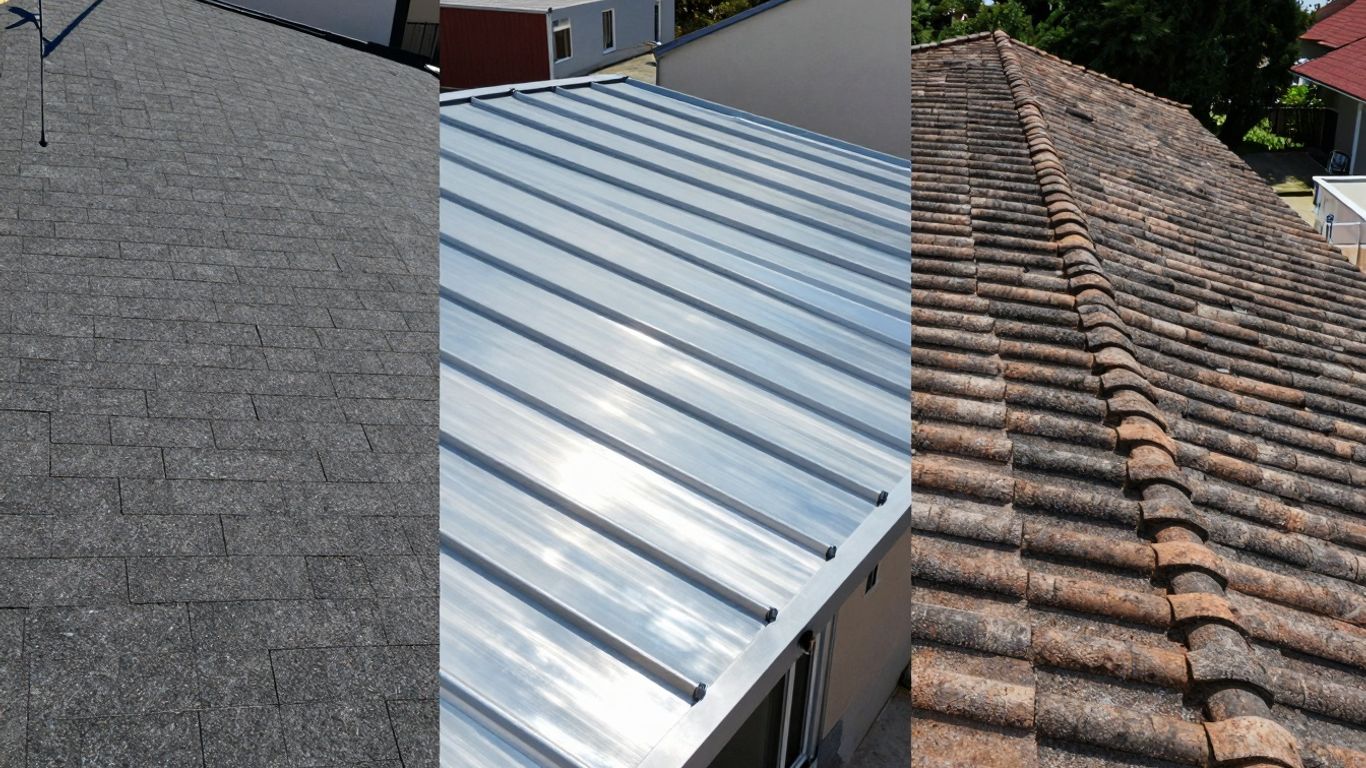
Asphalt shingles are probably the most common thing you see on houses, and for good reason. They’re pretty affordable and you can get them in a ton of colors and styles. Think of them as the all-around player of roofing. They can work with most architectural styles, from a simple ranch to a more complex colonial. They’re also relatively easy to install, which helps keep labor costs down. However, they don’t last as long as some other options, usually around 20 to 30 years, and they might not be the best choice for really extreme weather like heavy hail or super high winds without opting for the more durable ‘architectural’ or ‘dimensional’ types.
Metal Roofing for Durability and Style
Metal roofs have really gained popularity, and it’s easy to see why. They’re super durable, can last for 40 to 70 years or even longer, and they’re great at handling tough weather, including wind and snow. Plus, they’re fire-resistant, which is a big plus in some areas. Metal looks fantastic on modern homes with its clean lines, especially standing seam styles, but you can also get metal shingles that mimic the look of slate or wood for a more traditional vibe. The main downside is the upfront cost, which is higher than asphalt, and sometimes you need specialized installers. In snowy areas, you might need snow guards to stop big chunks of snow from sliding off all at once.
Exploring Premium and Synthetic Options
If you’re looking for something a bit more special, there are other materials to consider. Natural slate is gorgeous and can last over 100 years, but it’s very expensive and heavy, often requiring extra structural support. Wood shakes offer a rustic charm but need regular maintenance and can be a fire hazard. Then you have synthetic or composite materials. These are designed to look like slate, tile, or wood but are often lighter, more durable, and require less upkeep. They can be a great middle ground if you love the look of premium materials but want something more practical and budget-friendly. It’s worth checking out how these materials pair with different roof types to get the best look and performance for your home.
Here’s a quick look at some common materials:
| Material | Typical Lifespan | Typical Cost* | Key Strengths | Key Trade-offs |
|——————-|——————|—————|———————————————|————————————————-|*
| Asphalt Shingles | 20-30 years | Lowest | Affordable, widely available | Shorter life, less premium |
| Metal Roofing | 40-70+ years | Higher | Long life, energy efficient, durable | Upfront cost, installer skill |
| Tile (Clay/Concrete)| 50-100 years | High | Durable, stylish, good insulation | Heavy, expensive, not for all roof slopes |
| Slate Roofing | 100+ years | Very High | Ultimate longevity, premium aesthetic | Cost, structural needs, specialized installation |
| Synthetic/Composite| 30-50+ years | Moderate-High | Premium look, lighter weight, low maintenance | Newer category, cost can be high |
*Cost is relative and can vary significantly by region and specific product.
Choosing the right material is a balancing act. You’re weighing initial cost against longevity, maintenance needs, and how well it fits your home’s style and your local climate. Don’t just pick the cheapest or the prettiest; think about the long game.
Practical Steps for How to Pick a Roof
So, you’ve thought about your home’s style, what the weather throws at it, and how much you want to spend. That’s a great start! But before you get too far down the road, there are a few more things to nail down to make sure you’re picking the absolute best roof for your situation. It’s not just about looks, after all; it’s about making sure your home stays protected for years to come.
Checking Local Building Codes and HOA Rules
This is a big one, and honestly, it’s easy to overlook. Your town or city likely has specific rules about what you can and can’t do with your roof. This could be about the materials allowed, the colors you can use, or even the maximum height of your roofline. Homeowners Associations (HOAs) often have even stricter guidelines. Ignoring these rules can lead to fines or even force you to redo your roof. It’s always best to check with your local building department and your HOA (if you have one) before you fall in love with a particular style or material. They can provide you with the necessary documentation and requirements. Sometimes, a contractor can help you sort through these details, which is super handy.
The Importance of Professional Guidance
Look, picking a roof can feel like a lot. You’re dealing with structural stuff, weatherproofing, and aesthetics all at once. That’s where a good roofing professional comes in. They’ve seen it all and can offer advice based on your specific home and location. They can spot potential issues you might miss and explain why certain materials or styles are better suited for your climate. For instance, they can tell you if a particular roof style is known for shedding snow well or if a certain material holds up better against strong winds in your area. Getting a professional opinion can save you a lot of headaches and money down the line. They can also help you compare different options, like asphalt shingles versus metal roofing, based on performance and cost over time. You can find some good info on roofing materials that might help you frame your questions for them.
Planning for Future Upgrades Like Solar Panels
Think about what you might want to do with your home in the future. Are you considering adding solar panels down the road? If so, it’s smart to think about that now. Some roof styles, like simple gable or hip roofs, are generally easier to install solar panels on because they offer large, clear surfaces. Low-slope roofs can also accommodate larger solar arrays. Discussing your potential solar plans with your roofing contractor can help ensure your new roof is prepped for it, perhaps by planning conduit paths or minimizing roof penetrations in areas where panels might go. This kind of forward-thinking can make future upgrades much smoother and less costly.
Wrapping It Up
So, picking out a new roof can feel like a big decision, right? It’s not just about what looks good, though that’s part of it. You’ve got to think about how it’ll hold up against the weather where you live, how much you’re looking to spend, and what kind of upkeep you’re willing to do. It might seem like a lot, but by looking at your home’s style, your local climate, and your budget, you can totally find a roof that’s perfect for you. And hey, if you’re feeling a bit lost, don’t be afraid to chat with a roofing pro. They’ve seen it all and can help guide you to the best choice for your home. Happy roofing!
Frequently Asked Questions
What’s the most important thing to think about when picking a roof style?
The most important things are your home’s design, the weather in your area, and how much money you want to spend. Making sure your roof fits your house’s look, can handle the rain or snow, and stays within your budget is key. It’s not just about how it looks, but also how well it works.
Which roof style is best for rainy or windy places?
For rainy areas, roofs with simple slopes and good gutters, like gable or hip roofs, help water drain away easily. Hip roofs are especially good at handling strong winds because they don’t have flat sides that can catch the wind. Gable roofs also work well if they are built strong.
Are some roof materials better for certain climates?
Yes, definitely! In hot, sunny places, materials that reflect heat, like metal or light-colored shingles, are a good choice. In areas with lots of snow, you need a roof that can handle the weight and helps snow slide off easily. For places prone to wildfires, fire-resistant materials are a must.
How does my home’s architectural style affect my roof choice?
Your home’s style plays a big role! A classic house might look best with a traditional gable roof, while a modern home could use a sleek flat roof. The roof should match the overall look and shape of your house to make it look its best. Think of it like picking clothes that go well together.
What’s the difference in cost between different roof styles?
Simple roof styles, like basic gable roofs, are usually less expensive to build. More complex designs with lots of angles, like mansard or gambrel roofs, can cost more. The materials you choose also make a big difference – asphalt shingles are often the most affordable, while things like slate or certain metal roofs cost more upfront but can last much longer.
Should I worry about future upgrades like solar panels when picking a roof?
It’s a smart idea to think about future plans like solar panels. Roofs with simple, open surfaces, like gable or hip roofs, are often easier to install solar panels on. Talking to your roofing professional about your future plans can help ensure your new roof is ready for them.