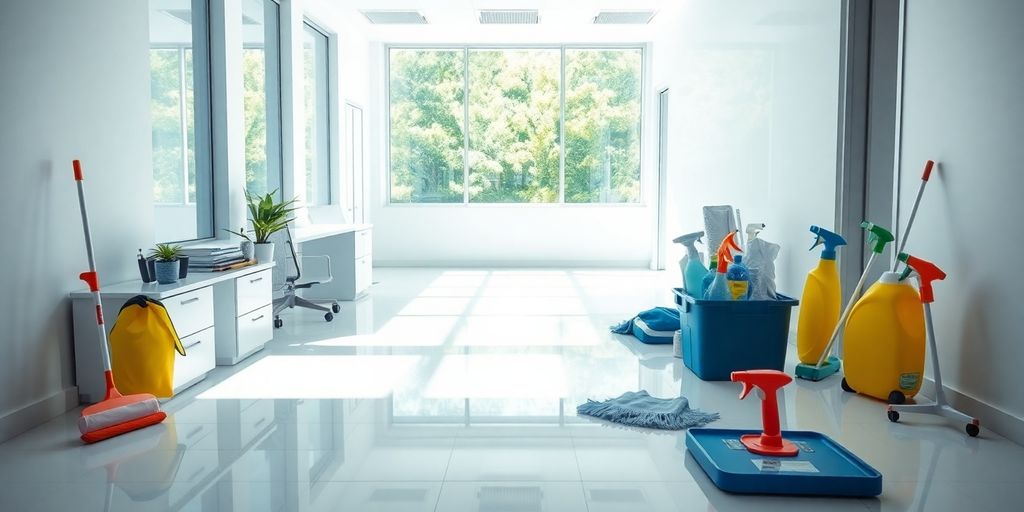
Thinking about starting your own cleaning service? It’s a solid idea, with people always needing clean spaces. But getting it off the ground can feel like a lot. You might wonder where to even begin, what supplies you really need, or how to get those first clients. This guide breaks down how to start a cleaning business from scratch, step by step. We’ll cover everything from setting up legally to making sure you get paid what you’re worth.
Key Takeaways
- To start a cleaning business, first lay the groundwork by understanding why cleaning services are in demand, figuring out your specific niche, and deciding who your customers will be and where you’ll serve them.
- Gather what you need, including cleaning supplies and equipment, and figure out how you’ll fund the startup costs. You’ll also want to decide if you’re going the franchise route or staying independent.
- Learn the proper ways to clean, how to use different products safely, and how to create efficient cleaning routines to do a great job for your clients.
- Make sure your business is set up right by getting the necessary licenses and insurance, and have clear contracts for your clients.
- Figure out how much to charge by looking at your costs, what competitors charge, and what profit you need to make.
Laying The Foundation For Your Cleaning Venture
Starting an office cleaning business might seem straightforward, but getting it right from the start makes a huge difference. It’s not just about grabbing a mop and bucket; it’s about building something solid. Think of it like building a house – you need a strong foundation before you can even think about painting the walls.
Understanding The Appeal Of A Cleaning Business
So, why cleaning? Well, honestly, everyone needs to have their spaces cleaned, right? Offices, homes, you name it. This means there’s a pretty steady demand for these services. It’s a business where you can see tangible results of your work, which is pretty satisfying. Plus, the startup costs aren’t usually as high as, say, opening a restaurant. You can often start small, maybe even from your own home, and grow from there. It’s a chance to be your own boss and build something from the ground up. It’s a good way to get your foot in the door of entrepreneurship.
Identifying Your Niche In The Cleaning Industry
Now, the cleaning world is pretty big. You’ve got residential cleaning, commercial cleaning, deep cleaning, eco-friendly cleaning, window cleaning, carpet cleaning… the list goes on. Trying to do everything can spread you too thin. It’s way better to pick a specific area, or a niche, and become really good at it. Maybe you want to focus on small businesses, or perhaps medical offices that need a higher level of sanitization. Or maybe you’re passionate about using only green products. Finding your niche helps you target your marketing and become known for something specific. It’s like being the go-to person for a particular type of service. You can check out different types of cleaning services to help you decide what aligns with your business.
Defining Your Service Area And Target Clientele
Once you know what kind of cleaning you want to do, you need to figure out where you’re going to do it and who you’re going to serve. Your service area is important because you don’t want to spend all your time driving between clients. Think about how far you’re willing to travel. Also, look at what other cleaning companies are already operating in that area. If it’s packed with competitors, you might want to adjust your service area or find a way to stand out. Then, consider your target clientele. Are you aiming for busy professionals who need their homes cleaned, or are you looking to service larger office buildings? Your clients will influence how you price your services and the kind of cleaning they expect from you.
Gathering The Necessary Resources
Starting an office cleaning business means you need the right stuff to get going. It’s not just about having a mop and bucket, though those are important! You’ve got to think about what you’ll actually use to clean, how you’ll pay for it all, and whether you want to go it alone or join a bigger group.
Essential Cleaning Supplies And Equipment
First things first, you need your cleaning arsenal. This is what you’ll use day in and day out to make offices sparkle. Don’t skimp here; good tools make the job easier and the results better. You’ll want a solid list of what you need before you start buying.
Here’s a basic rundown of what most cleaning businesses need:
- All-purpose cleaners: For general surfaces.
- Disinfectants: Especially important for high-touch areas.
- Glass cleaner: For windows and mirrors.
- Floor cleaners: Specific types for different floor materials (tile, carpet, wood).
- Vacuum cleaner: A good quality one that can handle different surfaces.
- Mops and buckets: For hard floors.
- Microfiber cloths: Better than paper towels for dusting and wiping.
- Sponges and scrub brushes: For tougher spots.
- Trash bags: Heavy-duty ones.
- Gloves: To protect your hands.
Beyond the liquids and cloths, think about equipment like vacuums, mops, buckets, and maybe even floor buffers if you plan on offering specialized services. It’s a good idea to start with the basics and add more as your business grows and you learn what clients really need.
Securing Funding For Startup Costs
Okay, so buying all that gear costs money. How do you get the cash? You’ve got a few options, and it’s smart to think about them early.
- Personal Savings: Using your own money is often the simplest way. You don’t owe anyone back, and you keep all the profits.
- Loans from Friends/Family: This can work, but make sure you have a clear agreement in writing. Treat it like a business loan to avoid any awkwardness later.
- Small Business Loans: Banks or credit unions might offer loans for new businesses. You’ll need a solid business plan to show them.
- Credit Cards: You can use credit cards for initial purchases, but be careful. High interest rates can add up quickly if you don’t pay them off fast.
- Investor: Finding someone willing to invest in your business in exchange for a share of profits or ownership is another route.
It’s really important to figure out exactly how much money you’ll need before you start asking for it. Make a list of everything – supplies, insurance, licenses, marketing – and add a little extra for unexpected costs. Knowing your numbers makes asking for money much easier.
Considering A Franchise Versus Independent Operation
When you’re getting started, you might wonder if you should buy into a cleaning franchise or just start your own thing. Both have their pros and cons.
Franchise:
- Pros: You get a recognized brand name, established procedures, training, and marketing support. It can be easier to get clients because people already know the brand.
- Cons: You have to pay franchise fees and ongoing royalties, which eat into your profits. You also have less freedom to run the business your way.
Independent Operation:
- Pros: You have complete control. You can set your own prices, choose your own clients, and keep all the profits. It’s often cheaper to start.
- Cons: You have to build everything from scratch – your brand, your marketing, your systems. It can take more time and effort to get established.
Think about what kind of support you want and how much control you need. If you’re new to business, a franchise might offer a good safety net. If you’re a go-getter who likes doing things your own way, going independent could be the better fit.
Mastering Professional Cleaning Techniques
Knowing how to clean properly is the backbone of any successful cleaning business. It’s not just about wiping surfaces; it’s about understanding the science behind cleaning and using the right methods to get the best results. This section will help you get your cleaning game on point.
Learning Proper Cleaning Procedures
Getting the cleaning right from the start is super important. You want to make sure you’re not just moving dirt around, but actually removing it. This means learning techniques like dusting from top to bottom, so gravity works in your favor and you don’t have to re-clean areas. For floors, it’s usually best to vacuum or sweep first, then mop. Think about cross-contamination too – using separate cloths for bathrooms and kitchens is a big one. It might seem like a lot, but there are great resources out there to help you learn the ropes. For instance, you can find structured training programs that cover all the ins and outs of professional cleaning, which can really boost your confidence and skill set. Learning proper cleaning procedures is key to client satisfaction.
Understanding Cleaning Product Usage
So, you’ve got your cleaning supplies, but do you know how to use them effectively and safely? Different surfaces and messes need different products. Using the wrong cleaner can damage surfaces or just not work well. For example, you wouldn’t use a harsh abrasive cleaner on a delicate countertop. It’s also important to know about dilution ratios for concentrated cleaners – too much can be wasteful and leave residue, while too little won’t clean effectively. Always read the labels! Understanding cleaning product usage means you’ll get better results and keep clients’ belongings safe.
Developing Efficient Cleaning Routines
Time is money, right? Especially when you’re starting out. Developing efficient cleaning routines means you can clean more in less time, which helps you take on more clients or just finish your workday sooner. This involves planning your route through a building or home, grouping similar tasks together, and having all your supplies ready to go. Think about creating a checklist for each type of job, whether it’s a standard office clean or a deep clean. This helps you stay organized and makes sure you don’t miss anything. A well-oiled routine is what separates a good cleaner from a great one.
Setting Up Your Business Legally
Alright, so you’ve got your cleaning supplies and a plan, but before you start scrubbing those office floors, we need to make sure everything is on the up-and-up legally. This part might seem a little dry, but it’s super important for keeping your business running smoothly and protecting yourself.
Obtaining Your Business License
First things first, you’ll likely need a business license. This is basically permission from your local government to operate your cleaning business. The exact requirements can change depending on where you’re located – like your city, county, or even state. Some places might just need a general business license, while others might have specific ones for service businesses. It’s a good idea to check with your local city hall or county clerk’s office. They’ll tell you what you need to apply for and any associated fees. Getting this license shows you’re a legitimate operation.
Securing General Liability Insurance
Now, let’s talk insurance. Accidents happen, right? Imagine a team member accidentally knocks over an expensive piece of equipment at a client’s office, or maybe someone slips on a freshly mopped floor. That’s where general liability insurance comes in. It’s designed to protect your business if someone gets hurt or their property gets damaged because of your work. Without it, you could be on the hook for some serious costs. Think of it as a safety net for your business. The cost can vary, but it’s usually a pretty worthwhile investment to keep your finances safe.
Creating Client Contracts And Agreements
Finally, you’ll want to have solid contracts for your clients. This isn’t about being unfriendly; it’s about clarity and professionalism. A contract spells out exactly what services you’ll provide, how often, the price, payment terms, and what happens if something goes wrong. It protects both you and your client by setting clear expectations. You can find templates online, but it’s often best to have a lawyer look them over, especially as your business grows. This helps avoid misunderstandings down the road and makes sure everyone is on the same page.
Pricing Your Services Profitably
Figuring out how much to charge for your cleaning services is a big deal. Get it wrong, and you might not make enough to cover your costs, or worse, you might scare away potential clients with prices that seem too high. It’s a balancing act, for sure.
Calculating Your Costs and Overhead
First things first, you need to know what it costs you to run your business. This isn’t just about the cleaning supplies you buy. Think about everything: the cost of your vacuum cleaner, mop, buckets, and all those cleaning solutions. Don’t forget things like insurance, gas for your vehicle if you’re driving to clients, and maybe even the cost of your phone or internet. If you have employees, their wages and any taxes associated with them are a big part of your overhead too. Knowing your numbers is the first step to setting prices that actually make you money.
Researching Competitor Pricing
It’s smart to see what other cleaning companies in your area are charging. You don’t want to be the cheapest, but you also don’t want to be the most expensive unless you’re offering something truly special. Look at their websites, see if they list prices, or even call them for a quote on a similar job. This gives you a baseline and helps you understand what the market expects. You can find some good insights on pricing commercial cleaning jobs.
Determining Your Profit Margin
Once you know your costs and what others are charging, you can figure out your profit. A profit margin is the percentage of your price that’s left over after you’ve paid for everything. A common starting point for many service businesses is aiming for a 10-20% profit margin, but this can vary a lot. You need to make enough profit to reinvest in your business, pay yourself a decent wage, and have a cushion for unexpected expenses. It’s about making sure your business is sustainable and can grow over time.
Here’s a simple way to think about it:
- Total Costs: Add up all your expenses (supplies, insurance, gas, wages, etc.) for a specific period or job.
- Desired Profit: Decide how much profit you want to make.
- Selling Price: Total Costs + Desired Profit = Selling Price.
Don’t be afraid to adjust your prices as you learn more about your clients and your own efficiency. What works for one type of office might not work for another, so flexibility is key.
Marketing Your Cleaning Services Effectively
Now that you’ve got the legal stuff sorted and your pricing figured out, it’s time to get the word out about your awesome new cleaning business. This is where marketing comes in, and honestly, it’s not as scary as it sounds. Think of it as telling people about a great new restaurant you found – you just want them to know how good it is!
Building An Online Presence
In today’s world, most people look for services online first. So, having a good online footprint is super important. You’ll want a simple website that tells people who you are, what you do, and how they can get in touch. Think of it as your digital storefront. Make sure it looks professional and is easy to use. Also, setting up a Google My Business profile is a must. It’s free and helps people find you when they search for cleaning services in your area. It’s like putting your business on the digital map!
Leveraging Social Media And Reviews
Social media is your friend here. Create pages for your business on platforms like Facebook and Instagram. Share pictures of your work (before and after shots are great!), post about special offers, and interact with people who comment. It’s a good way to show off your skills and build a community around your brand. And don’t forget about reviews! Happy clients are your best advertisers. Ask them to leave reviews on your Google profile or social media pages. Positive reviews build trust and encourage new customers to give you a try.
Implementing Referral Programs
Word-of-mouth is incredibly powerful, especially when you’re starting out. A referral program is a fantastic way to encourage your existing clients to spread the word. You can offer a discount on their next cleaning service for every new client they refer who books a service. It’s a win-win: your client gets a discount, and you get a new customer. You could also offer a small discount to the new customer they refer as a welcome gift. This simple incentive can really help your business grow organically.
Wrapping Up Your Cleaning Venture
So, you’ve learned a lot about getting your office cleaning business off the ground. It might seem like a lot at first, but remember, you can start small. Think about cleaning offices on the side, just like many successful owners did. Learn the ropes, figure out what works for you, and build from there. With a good plan, the right supplies, and a willingness to put in the work, you can definitely build a solid business. It’s all about taking that first step and keeping at it. Good luck out there!
Frequently Asked Questions
How can I get money to start my cleaning business if I don’t have much?
You can start by using your own savings, borrowing from friends or family, or looking into small business loans or grants from the government. Some people even use credit cards for initial costs, but be careful with interest!
Is it better to start a cleaning business full-time or on the side?
It’s smart to start small, maybe by cleaning offices on the side of your current job. This lets you learn how to clean like a pro and figure out pricing without quitting your main gig. Plus, you can use your day job paycheck to buy supplies.
What cleaning supplies and equipment do I absolutely need to start?
You’ll need basic cleaning stuff like vacuums, mops, buckets, brooms, dustpans, and lots of cloths. Don’t forget cleaning sprays, disinfectants, and trash bags. It’s good to get these from a place that sells cleaning supplies.
What legal stuff do I need to take care of to run my business?
You need to check with your local government to get the right permits and licenses for your business. Also, getting general liability insurance is super important to protect yourself if something unexpected happens.
How do I decide how much to charge for my cleaning services?
Figure out all your costs, like supplies, insurance, and gas. Then, see what other cleaning companies in your area charge. Once you know your costs and what others charge, you can set a price that makes you money but is fair to customers.
How can I tell people about my cleaning business and get clients?
Make a simple website, use social media to show off your work, and ask happy clients to leave reviews online. Offering a small discount for people who refer new customers is also a great way to get more business.