Castile soap is one of the most versatile cleaners you can keep at home. Made from plant-based oils, it cuts through grease, lifts grime, and works on dozens of surfaces without harsh chemicals. But it only works well when you use the right amount. Too little and it won’t clean. Too much and it leaves a sticky, filmy residue that attracts more dirt.
This guide covers exact dilution ratios for every room, which surfaces handle castile soap well, what you should never mix it with, and how to get the best results from a single bottle.
Key Takeaways
- Dilution is everything: Castile soap works best at specific ratios. Most cleaning tasks need just 1 tablespoon per quart of water.
- Never mix with vinegar or lemon juice: Acids cancel out castile soap’s cleaning power and create a curdled, waxy mess.
- It’s safe on most surfaces: Wood floors, tile, countertops, glass, and fabric all respond well to properly diluted castile soap.
- Soft water performs better: Hard water causes soap scum buildup. Distilled or filtered water gives you cleaner results.
- Dr. Bronner’s is the most widely available brand, but any true castile soap made from saponified plant oils works the same way.
- Room-by-room ratios matter: Kitchen, bathroom, floors, and laundry each use a different concentration for best results.
What Is Castile Soap and Why Does It Clean So Well?
Quick Answer: Castile soap is a plant-based soap made from saponified oils like olive, coconut, or hemp. It’s free from synthetic detergents and cleans by binding to oils and dirt, then washing them away with water. It’s biodegradable and safe for most household surfaces.
Traditional castile soap originated in the Castile region of Spain, where it was made with pure olive oil. Today, most castile soaps use a blend of plant oils — olive, coconut, and hemp are common — to balance cleaning strength with skin and surface safety.
The cleaning mechanism is straightforward. Castile soap molecules have one end that attracts water and one end that attracts oil. When you apply it to a greasy surface, the oil-attracting end grabs the grease. When you rinse with water, the water-attracting end pulls everything away with it. That’s why it works on kitchen grease, bathroom soap scum, and general grime without scrubbing as hard.
It doesn’t contain synthetic surfactants, phosphates, or artificial fragrances. That makes it a solid option for households with kids, pets, or anyone sensitive to conventional cleaners.
Liquid vs. Bar Castile Soap: Which Works Better for Cleaning?
Liquid castile soap is more practical for household cleaning. It dilutes easily in water, works in spray bottles, and dispenses evenly. Bar castile soap is better for personal care than surface cleaning, since it doesn’t dissolve as cleanly in a bucket or spray bottle.
For the cleaning uses in this guide, liquid castile soap is the assumed format.
What Are the Correct Castile Soap Dilution Ratios for Cleaning?

Quick Answer: For most household cleaning, use 1 tablespoon of liquid castile soap per quart of water. For heavy-duty degreasing, use 1/4 cup per quart. For laundry, use 1/3 to 1/2 cup per load. Weaker solutions clean most surfaces without leaving residue.
Using too much soap is the most common mistake people make with castile soap. More soap doesn’t mean more cleaning power. It means more residue, more rinsing, and a sticky surface that collects dust faster than it did before.
The ratios below are based on common use cases. Always start with the lower end of the range and add more if needed.
| Cleaning Task | Castile Soap | Water | Notes |
|---|---|---|---|
| All-purpose spray | 1 tablespoon | 1 quart (4 cups) | Works on most countertops, sinks, and tile |
| Floor cleaner (hard floors) | 1/2 cup | 3 gallons | Use a damp mop, not soaking wet |
| Dish washing (by hand) | 1 tablespoon | Sink basin (about 1 gallon) | Works best with hot water |
| Toilet bowl cleaner | 1/4 cup | Applied directly, no dilution needed | Add 1/4 cup baking soda for extra scrubbing |
| Laundry (HE machine) | 1/3 cup | Standard load | Not for use with vinegar rinse in same wash |
| Laundry (top-load machine) | 1/2 cup | Standard load | Hot water helps dissolve the soap fully |
| Heavy-duty degreaser | 1/4 cup | 1 quart | For stovetops, range hoods, and baked-on grease |
| Window and glass cleaner | 1 tablespoon | 1 quart | Follow with plain water rinse to prevent streaks |
| Vegetable wash | 1 drop | Bowl of water | Rinse produce thoroughly after soaking |
Does Water Temperature Affect How Well Castile Soap Works?
Yes, noticeably. Hot water dissolves castile soap faster and activates its cleaning strength more quickly. Cold water can leave the soap partially undissolved, reducing how well it cleans and increasing the chance of residue.
For mopping floors or doing dishes, use warm to hot water when you can. For spray bottles you’re making in advance, let the mixture sit for a few minutes after mixing so the soap fully incorporates.
Which Surfaces Can You Safely Clean with Castile Soap?
Quick Answer: Castile soap is safe on ceramic tile, glass, hardwood floors, laminate, stainless steel, sealed stone countertops, fabric, and most painted surfaces. It should be avoided on waxed floors, cast iron cookware, and unsealed natural stone like marble or granite.
| Surface | Safe to Use? | Notes |
|---|---|---|
| Ceramic and porcelain tile | Yes | Works on both tile and grout at standard dilution |
| Hardwood floors (sealed) | Yes | Use very diluted solution, wring mop thoroughly |
| Laminate floors | Yes | Avoid excess water, wipe dry after mopping |
| Glass and mirrors | Yes | Rinse with plain water or follow with a dry cloth to avoid streaks |
| Stainless steel | Yes | Good for appliance exteriors and sinks |
| Sealed granite or quartz countertops | Yes | Safe for routine cleaning at standard dilution |
| Unsealed granite or marble | No | Soap can penetrate pores and cause staining or residue buildup |
| Waxed wood floors | No | Castile soap strips wax finish over time |
| Cast iron cookware | No | Destroys the seasoning layer, causes rusting |
| Painted walls | Yes | Use highly diluted solution and test a small area first |
| Fabric and upholstery | Yes | Spot test first, rinse thoroughly to remove residue |
Can You Use Castile Soap on Natural Stone Countertops?
Only if the stone is sealed. Sealed granite and quartz countertops have a protective layer that prevents the soap from penetrating the surface. Unsealed marble, travertine, and limestone are porous. Castile soap can get into those pores and leave a residue that’s hard to remove.
If you’re not sure whether your stone is sealed, drop a few drops of water on it. If the water beads up, it’s sealed. If it soaks in, skip the castile soap and use a pH-neutral stone cleaner instead.
What Should You Never Mix with Castile Soap?
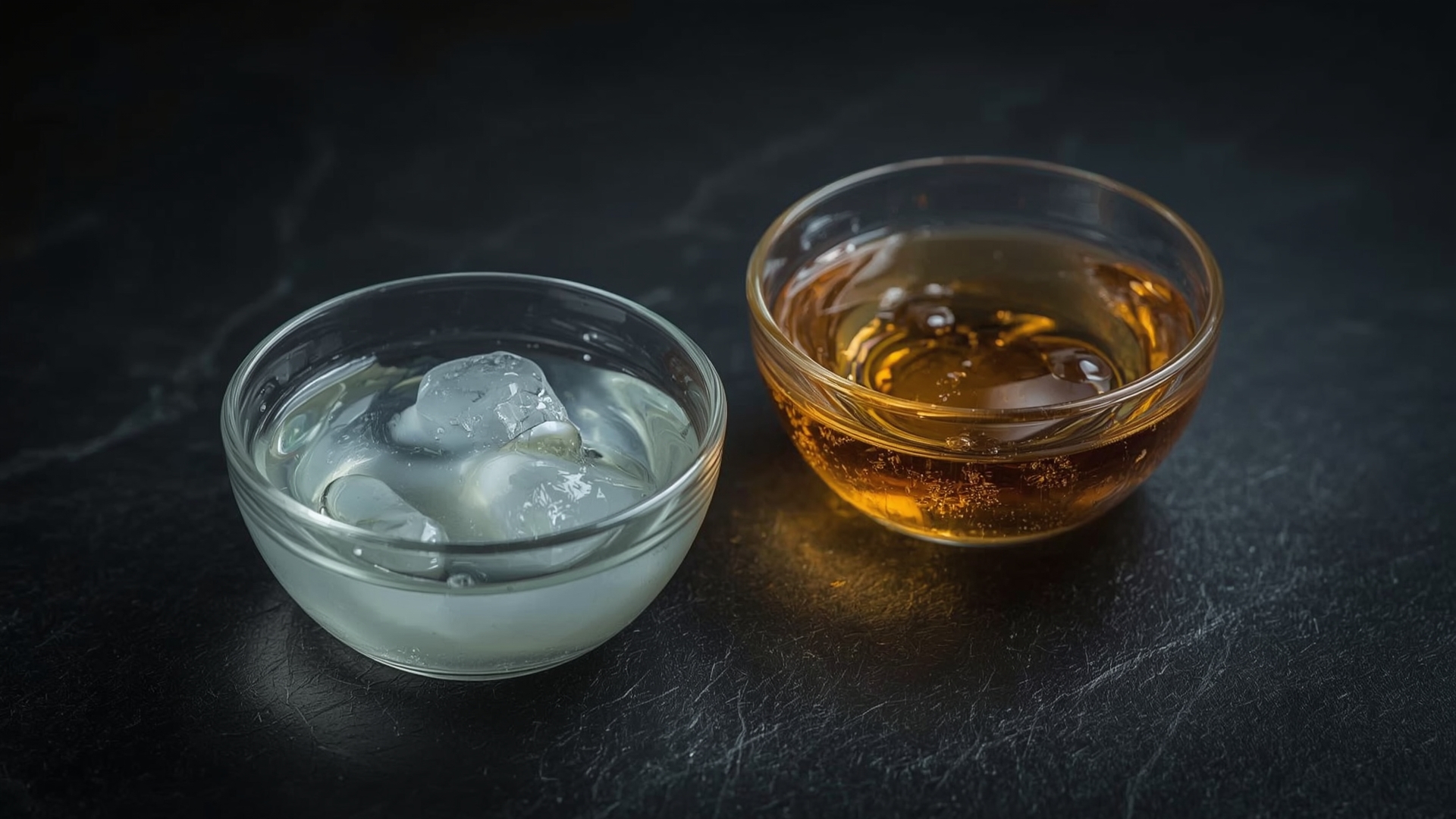
Quick Answer: Never mix castile soap with vinegar, lemon juice, or any acidic cleaner. Acids neutralize the alkaline soap molecules, causing them to curdle and lose all cleaning ability. The result is a filmy, greasy mess that doesn’t clean anything.
This is the mistake that causes the most frustration with castile soap. People assume that combining two natural cleaners makes something stronger. It doesn’t. Castile soap is alkaline (pH around 8.9). Vinegar is acidic (pH around 2-3). When you combine them, they neutralize each other through a process called saponification reversal, and you’re left with a cloudy, oily liquid that cleans nothing.
What Happens When You Mix Castile Soap and Vinegar?
The soap molecules break apart. The fatty acids from the plant oils separate from the sodium or potassium hydroxide that made them soap in the first place. What you see as a curdled or cloudy liquid is literally unsaponified oil floating in water. It won’t lather, won’t emulsify grease, and won’t rinse clean.
Vinegar is excellent for cleaning. Castile soap is excellent for cleaning. They just need to be used separately, not together.
| Ingredient | Why It’s Incompatible | What to Use Instead |
|---|---|---|
| White vinegar | Acid neutralizes soap molecules, causes curdling | Use castile soap first, rinse, then apply vinegar separately |
| Lemon juice | Same acid neutralization problem as vinegar | Use for separate cleaning passes on different surfaces |
| Hydrogen peroxide | Oxidizer breaks down soap actives, reduces effectiveness of both | Use hydrogen peroxide on its own for disinfection |
| Commercial bleach | Creates chlorine gas when mixed with soap; serious health hazard | Never combine; use bleach separately with proper ventilation |
| Hard tap water | Calcium and magnesium ions cause soap scum and reduced lather | Use filtered or distilled water for spray bottle solutions |
Can You Use Castile Soap and Baking Soda Together?
Yes, but carefully. Baking soda is mildly alkaline, so it won’t cancel out castile soap the way vinegar does. You can combine them for scrubbing applications, especially in toilets or tile grout. Make a paste with a small amount of soap and enough baking soda to form a thick consistency, apply, scrub, and rinse well.
The key is to rinse thoroughly. Baking soda and castile soap can leave a gritty residue if not fully washed away.
How Do You Clean Each Room Using Castile Soap?

Quick Answer: In the kitchen, use a degreasing dilution on stovetops and counters. In bathrooms, apply a stronger mix to tile and toilets. For floors, use a very diluted solution with a damp mop. Each room needs a slightly different concentration based on soil level and surface type.
Kitchen Cleaning with Castile Soap
The kitchen sees the most grease and food residue, so you’ll typically use a stronger dilution here than anywhere else in your home.
- Countertops: 1 tablespoon per quart of water in a spray bottle. Spray, wipe with a damp cloth, and rinse the cloth before wiping again.
- Stovetop and range hood: Use the heavy-duty degreaser ratio (1/4 cup per quart). Let it sit on grease for 1-2 minutes before wiping.
- Dishes by hand: Add 1 tablespoon to a basin of hot water. It won’t foam like dish detergent, but it cleans effectively.
- Refrigerator interior: Use the standard all-purpose dilution and wipe shelves with a well-wrung cloth to avoid excess moisture.
- Trash can interior: Apply a few squirts of undiluted soap, scrub with a brush, and rinse with hot water from a hose or shower.
Bathroom Cleaning with Castile Soap
Bathrooms combine soap scum, body oils, and mineral deposits. Castile soap handles the organic residue well, but you may need a separate descaling agent (like citric acid, applied in a separate pass) for heavy mineral buildup.
- Toilet bowl: Pour 1/4 cup of castile soap directly into the bowl, add 1/4 cup of baking soda, scrub with a toilet brush, and let it sit 5 minutes before flushing.
- Shower tile and walls: Mix 1/3 cup castile soap with 1 quart of water in a spray bottle. Spray, let it sit 2 minutes, scrub with a brush, and rinse thoroughly.
- Bathroom sink and faucets: Use the all-purpose dilution. Apply to the sink basin, scrub, and rinse. For faucet fixtures, use a soft cloth to avoid scratching chrome.
- Bathtub: Apply the standard dilution with a scrub brush. For heavy soap scum, apply undiluted soap directly to the surface, scrub, and rinse well.
Floor Cleaning with Castile Soap
Floors need the most diluted solution because any residue left behind gets walked through the house. The goal is a mop that’s damp, not wet, and a solution that rinses clean with no visible film.
- Tile and grout floors: Use 1/2 cup castile soap in 3 gallons of warm water. Mop in sections, wringing the mop thoroughly between passes.
- Hardwood floors (sealed): Use 1 tablespoon per gallon of water. Apply with a barely damp mop. Follow with a dry cloth pass if needed.
- Vinyl and laminate: Use the same dilution as hardwood. These surfaces don’t tolerate standing water, so work quickly and dry the floor after mopping.
Laundry with Castile Soap
Castile soap works in both standard and high-efficiency (HE) washing machines. It produces very little suds compared to commercial detergent, which is actually ideal for HE machines that need low-foam detergents.
- HE machines: Add 1/3 cup directly to the drum before adding clothes. Don’t use the detergent dispenser drawer, as the soap may not dissolve fully before reaching the drum.
- Top-load machines: Add 1/2 cup to the drum with warm or hot water.
- Delicates and hand washing: Use 1 tablespoon in a basin of cool water. Soak for 5-10 minutes, agitate gently, and rinse thoroughly.
- Do not add vinegar to the same wash cycle. If you use vinegar as a fabric softener in the rinse cycle, let the castile soap wash rinse out fully first.
How Do You Make DIY Cleaning Products with Castile Soap?
Quick Answer: You can make an all-purpose spray, a soft scrub paste, a foaming hand soap, and a floor cleaning solution using castile soap as the base. Each recipe requires 3 or fewer ingredients and takes under 5 minutes to mix.
All-Purpose Spray Recipe
- 1 tablespoon liquid castile soap
- 1 quart warm water
- 10-15 drops tea tree or lavender essential oil (optional, for scent)
Combine in a 32-ounce spray bottle. Shake gently before each use. Shelf life is approximately 2-3 weeks before the essential oils begin to degrade. Keep in a cool, dark cabinet for best results.
Soft Scrub Paste for Tile and Grout
- 1/2 cup baking soda
- 2 tablespoons liquid castile soap
- 10 drops tea tree essential oil (optional)
Mix into a paste. Apply with a scrub brush or old toothbrush to grout lines, tile, or tub surfaces. Scrub and rinse with warm water. Do not store leftover paste — make fresh for each use.
Foaming Hand Soap
- 1 tablespoon liquid castile soap
- 1 cup distilled water
Pour water into a foaming soap dispenser first, then add the castile soap. Adding soap first causes excessive foaming and makes filling difficult. This formula uses distilled water to prevent mineral buildup in the dispenser pump.
Wood Floor Cleaning Solution
- 1 tablespoon liquid castile soap
- 1 gallon warm water
- 5 drops lavender essential oil (optional)
Mix in a mop bucket. Wring the mop until barely damp before each pass. Dry floors immediately with a clean towel or dry mop if any visible moisture remains.
Why Does Castile Soap Leave a White Residue or Film?
Quick Answer: White residue from castile soap is almost always caused by hard water. The minerals in hard water react with soap to form calcium soap scum, a chalky white film. Switching to distilled or filtered water for your cleaning solutions prevents this entirely.
Hard water contains calcium and magnesium ions. When those ions contact the fatty acids in castile soap, they form insoluble calcium or magnesium soap compounds. These don’t rinse away easily because they don’t dissolve in water. The result is the white, chalky film you see on tile, glass, and floors.
The fix is straightforward. Use distilled or filtered water in all spray bottle solutions. For floor mopping, a water softener or a small amount of washing soda (sodium carbonate) added to the mop bucket neutralizes hard water minerals before they react with the soap.
How Do You Remove Castile Soap Residue from Floors and Surfaces?
A diluted citric acid solution removes soap residue effectively. Mix 1 tablespoon of citric acid powder in 1 quart of warm water. Apply with a mop or cloth, let sit for 2 minutes, and wipe away. The citric acid dissolves the calcium soap compounds without damaging most floor surfaces.
You can also use a small amount of rubbing alcohol on stubborn residue on glass or tile. Apply with a microfiber cloth and buff dry.
Is Castile Soap a Disinfectant?
Quick Answer: Castile soap is a cleaner, not a disinfectant. It removes bacteria and viruses physically by lifting them off surfaces, but it does not kill pathogens the way EPA-registered disinfectants do. For sanitizing high-touch surfaces, use castile soap to clean first, then apply a disinfectant separately.
This is an important distinction. Cleaning and disinfecting are two different processes. Cleaning removes visible dirt, grease, and most surface microorganisms. Disinfecting kills or inactivates specific pathogens using chemical agents like bleach, hydrogen peroxide, or quaternary ammonium compounds.
Castile soap handles the first job well. If you also need to disinfect, such as after handling raw meat in the kitchen or during flu season, clean with castile soap first, then apply an EPA-registered disinfectant according to its label instructions. Let the disinfectant sit for its required contact time before wiping.
What Is the Best Castile Soap for Household Cleaning?
Quick Answer: Any true castile soap made from saponified plant oils works the same way chemically. Dr. Bronner’s Pure-Castile Liquid Soap is the most widely available and comes in unscented and scented versions. Unscented is the most flexible for mixing with essential oils or using around pets and children.
| Product | Base Oil | Scent Options | Best For | Price Range (32 oz) |
|---|---|---|---|---|
| Dr. Bronner’s Pure-Castile Liquid | Coconut, olive, hemp, jojoba | Unscented, peppermint, lavender, eucalyptus, baby mild | All-purpose cleaning, laundry, personal care | $14-$18 |
| Kirk’s Castile Liquid Soap | Coconut | Unscented, original fresh | Budget-friendly general cleaning | $8-$12 |
| Puracy Natural Castile Soap | Coconut, olive | Unscented, citrus | Sensitive skin, baby-safe cleaning | $12-$16 |
| Sal Suds (Dr. Bronner’s) | Not true castile — plant-based surfactant | Spruce and fir only | Heavy-duty cleaning, dishes, floors | $14-$18 |
Note: Dr. Bronner’s Sal Suds is a common recommendation alongside castile soap. It’s not technically a castile soap because it uses synthetic surfactants derived from plants, but it performs better on very greasy tasks. If your primary goal is cleaning rather than 100% natural ingredients, Sal Suds is worth keeping on hand for heavy jobs.
Frequently Asked Questions
Can you use castile soap on a baby’s skin or toys?
Yes. The unscented version of castile soap is gentle enough for baby skin and is widely recommended for baby wash and shampoo. For cleaning plastic toys, dilute 1 tablespoon in a quart of warm water, wipe or rinse the toys, and dry thoroughly before giving them back to children.
Is castile soap safe for pets?
Generally yes, when properly diluted. Many pet owners use diluted castile soap for bathing dogs. Avoid scented versions with eucalyptus or tea tree oil around cats, as cats cannot metabolize certain essential oils. Stick to unscented or lavender versions if pets will be in contact with cleaned surfaces.
Can castile soap be used in a dishwasher?
No. Castile soap produces suds, and dishwashers need low-sudsing detergents to function properly. Using castile soap in a dishwasher will cause excessive foam that can overflow the machine and leave residue on dishes. Use it only for handwashing dishes.
How long does a bottle of castile soap last when used for cleaning?
A 32-ounce bottle goes a long way because every recipe uses only small amounts. At 1 tablespoon per quart for all-purpose spray, you get about 64 batches from a single bottle. Most households use a 32-ounce bottle for 2-4 months of regular cleaning.
Does castile soap expire?
Yes. Most liquid castile soaps have a shelf life of 3 years from the production date. Over time, the oils can go rancid, causing an unpleasant smell and reduced cleaning effectiveness. Store your bottle in a cool, dark location away from direct sunlight and heat to maximize its shelf life.
Why doesn’t castile soap lather like regular dish soap?
Castile soap produces less foam because it doesn’t contain synthetic foaming agents like sodium lauryl sulfate (SLS). Foam doesn’t equal cleaning power. The soap molecules work the same way with or without heavy lather. You may need to adjust your expectations if you’re used to conventional dish soap.