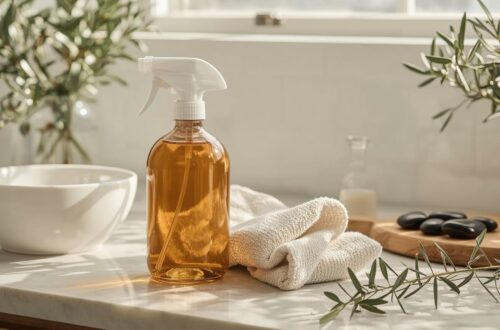
Switching to green cleaning doesn’t mean scrubbing harder or spending more. It means using the right natural products on the right surfaces, in the right rooms. This checklist walks you through every major room in your home with specific eco-friendly tasks, product pairings, and surface warnings so nothing gets missed and nothing gets damaged.
Key Takeaways
- White vinegar, baking soda, and castile soap handle most cleaning tasks across every room.
- Not all natural cleaners are surface-safe — vinegar damages natural stone, and baking soda scratches soft finishes.
- Room-by-room checklists help you stay consistent and avoid missed spots over time.
- DIY green sprays cost pennies per bottle compared to store-bought natural cleaners.
- Microfiber cloths reduce the need for cleaning solutions by up to 80% compared to cotton rags.
- Essential oils add antimicrobial properties and scent without synthetic fragrance chemicals.
What Does Green Cleaning Actually Mean?
Quick Answer: Green cleaning means using products and methods that avoid harsh synthetic chemicals. It relies on biodegradable ingredients like vinegar, baking soda, and plant-based soaps that clean effectively without releasing toxins into your home or water supply.
Conventional cleaners often contain chemicals like ammonia, chlorine bleach, and synthetic fragrances. These work fast, but they can irritate airways, linger on surfaces, and wash into waterways after rinsing.
Green cleaning swaps those ingredients for options that break down naturally. The goal isn’t just a clean home. It’s a home where the air, surfaces, and water runoff are all safer.
What Are the Core Green Cleaning Ingredients?
These five ingredients handle the vast majority of household cleaning tasks on their own or combined:
- White distilled vinegar — cuts grease, removes mineral deposits, disinfects mildly
- Baking soda (sodium bicarbonate) — gentle abrasive, deodorizer, mild scrubbing agent
- Castile soap — plant-based surfactant that lifts dirt and grease
- Hydrogen peroxide (3%) — disinfects and whitens without chlorine bleach
- Essential oils — tea tree, lavender, and eucalyptus add antimicrobial properties and fresh scent
Which Natural Cleaners Are NOT Safe for Every Surface?
Some natural ingredients can cause real damage to certain surfaces. Knowing these boundaries protects your home.
| Cleaner | Safe On | Avoid On | Reason for Caution |
|---|---|---|---|
| White vinegar | Glass, ceramic tile, stainless steel | Marble, granite, limestone | Acid etches natural stone permanently |
| Baking soda | Grout, porcelain, stainless steel | Soft stone, coated finishes, chrome | Fine grit scratches soft or polished surfaces |
| Castile soap | Most hard surfaces, fabric | Waxed wood floors, stone with vinegar | Leaves film on waxed floors; reacts with vinegar |
| Hydrogen peroxide (3%) | Grout, counters, cutting boards | Colored fabrics, unsealed wood | May bleach color or dry out wood grain |
| Tea tree oil | Tile, sinks, shower walls | Pets’ spaces (especially cats) | Toxic to cats even in diluted form |
What Should Be on Your Kitchen Green Cleaning Checklist?

Quick Answer: The kitchen needs daily grease control, weekly appliance wipe-downs, and monthly deep work on the oven and refrigerator. Use castile soap for counters, white vinegar for the sink and faucets, and baking soda paste for stubborn stovetop stains.
The kitchen is the highest-contact room in your home. Grease, food residue, and moisture build up fast. A consistent green routine prevents buildup so you never need harsh degreasers.
Daily Kitchen Tasks
- Wipe counters with a diluted castile soap spray (1 tsp castile soap per 2 cups water)
- Clean stovetop surface with a damp microfiber cloth after each use
- Rinse sink and spray with a 50/50 white vinegar and water solution
- Wipe down faucet handles and switch plates (high-touch zones)
Weekly Kitchen Tasks
- Scrub sink basin with baking soda paste (3 tbsp baking soda + enough water to form a paste)
- Clean microwave interior with a bowl of water and white vinegar heated for 3 minutes, then wipe
- Degrease range hood filter by soaking in hot water and baking soda for 15 minutes
- Wipe cabinet fronts and drawer pulls with castile soap solution
- Sweep and mop floor with a few drops of castile soap in warm water
Monthly Kitchen Tasks
- Clean oven interior with baking soda paste, let sit overnight, then wipe and spray with vinegar
- Empty and wipe refrigerator shelves with a 50/50 vinegar water spray
- Descale coffee maker by running a cycle with equal parts white vinegar and water
- Clean garbage disposal by dropping in baking soda, then pouring in white vinegar, let fizz for 5 minutes, flush with hot water
What Does a Green Cleaning Checklist for the Bathroom Look Like?

Quick Answer: Focus bathroom green cleaning on mold prevention, mineral deposit removal, and toilet disinfecting. Hydrogen peroxide handles toilet disinfecting, vinegar dissolves hard water buildup on faucets, and baking soda paste scrubs tile grout safely and effectively.
Bathrooms are warm and humid, which creates ideal conditions for mold and mildew. Regular cleaning with the right products stops problems before they start.
Daily Bathroom Tasks
- Squeegee or wipe shower walls after each use to reduce moisture and mildew
- Wipe sink and faucet handles with a damp microfiber cloth
- Leave exhaust fan running for 10 to 15 minutes after showers
Weekly Bathroom Tasks
- Spray toilet bowl with hydrogen peroxide, let sit for 10 minutes, scrub with a toilet brush
- Wipe toilet exterior and seat with a hydrogen peroxide spray
- Clean shower and tub surfaces with baking soda paste on a sponge
- Spray shower door or curtain with undiluted white vinegar to dissolve soap scum
- Mop floor with warm water and a small amount of castile soap
Monthly Bathroom Tasks
- Scrub grout lines with baking soda paste and an old toothbrush
- Soak showerhead in a bag filled with white vinegar for 30 to 60 minutes to dissolve mineral buildup
- Wash bath mats with hot water and a fragrance-free detergent
- Wipe baseboards and walls with a damp microfiber cloth
How Do You Green Clean a Bedroom Without Harsh Chemicals?
Quick Answer: Bedroom green cleaning focuses on dust reduction, fabric freshening, and surface wiping. Use a microfiber cloth for dusting, baking soda to deodorize mattresses, and a lavender essential oil spray to freshen pillows and curtains between washes.
Bedrooms accumulate dust, skin cells, and allergens more than most rooms. Green cleaning here protects air quality while you sleep, which matters more than most people realize.
Weekly Bedroom Tasks
- Dust surfaces (nightstands, dressers, ceiling fan blades) with a damp microfiber cloth
- Vacuum mattress surface using an upholstery attachment
- Wash bedding on a hot cycle (130°F or higher kills dust mites)
- Wipe light switches, door handles, and remote controls with a hydrogen peroxide spray
Monthly Bedroom Tasks
- Sprinkle baking soda over the mattress, let sit 30 minutes, then vacuum thoroughly
- Wash pillows in a hot cycle with a fragrance-free, biodegradable detergent
- Wipe down window sills and blinds with a damp microfiber cloth
- Vacuum under the bed and along baseboards
- Refresh curtains or drapes with a light spray of diluted lavender essential oil (10 drops per 1 cup of water)
What’s the Green Cleaning EAV for Common Bedroom Surfaces?
| Surface | Best Green Cleaner | Application Method | Frequency | Avoid |
|---|---|---|---|---|
| Mattress | Baking soda | Sprinkle, sit 30 min, vacuum | Monthly | Liquid cleaners, bleach |
| Hardwood floor | Castile soap (diluted, wrung-dry mop) | 1 tsp soap per gallon of water, barely damp mop | Weekly | Vinegar, excess water |
| Ceiling fan blades | Microfiber cloth, dry or lightly damp | Wipe blade surface | Every 2 weeks | Spray cleaners near motor |
| Fabric headboard | Castile soap solution on cloth | Blot, don’t scrub | Monthly | Soaking with liquid |
| Window glass | 50/50 vinegar and water spray | Spray and wipe with microfiber | Monthly | Newspaper (leaves ink) |
What Green Cleaning Tasks Does the Living Room Need?
Quick Answer: The living room needs regular dusting, upholstery freshening, and floor care. Use dry baking soda on upholstered furniture to deodorize, a microfiber cloth for electronics and shelving, and a diluted castile soap solution for hardwood or tile floors.
Living rooms collect dust, pet dander, and foot traffic debris quickly. Most of the surfaces here respond well to dry or lightly damp cleaning methods.
Weekly Living Room Tasks
- Dust all surfaces with a damp microfiber cloth (shelves, TV stand, windowsills, baseboards)
- Wipe down electronics with a barely damp microfiber cloth — no liquid spray directly on screens
- Vacuum upholstery and cushion gaps with an upholstery attachment
- Sweep or vacuum floors, then mop with a castile soap solution if hard floor
Monthly Living Room Tasks
- Sprinkle baking soda on sofas and chairs, let sit 20 minutes, then vacuum to deodorize
- Spot-clean fabric upholstery with a castile soap and water solution on a clean cloth
- Wipe light fixtures and lamp shades with a dry or barely damp microfiber cloth
- Clean window glass with a 50/50 vinegar and water spray
How Should You Green Clean a Home Office or Study?
Quick Answer: Home offices need regular disinfecting of high-touch surfaces like keyboards, mice, and desk surfaces. Use a hydrogen peroxide spray on hard surfaces, a barely damp microfiber cloth on electronics, and compressed air to clear keyboard debris without chemicals.
Desks and keyboards are among the most germ-covered surfaces in any home. Green cleaning here is mostly about frequency and the right dry-to-damp ratio for electronics.
Weekly Home Office Tasks
- Wipe desk surface with hydrogen peroxide spray (let sit 30 seconds, wipe dry)
- Clean phone, keyboard, and mouse with a cloth lightly dampened with a diluted hydrogen peroxide solution
- Dust monitor and electronics with a dry microfiber cloth
- Empty trash and wipe bin rim with castile soap solution
What Are the Green Cleaning Priorities for the Laundry Room?
Quick Answer: The laundry room needs mold prevention inside the washer drum, lint management around the dryer, and floor and surface cleaning. Use white vinegar monthly to clean front-load washer seals and drums, and baking soda to deodorize the drum between wash cycles.
Laundry rooms are prone to mold, musty smells, and lint buildup. A green routine here also protects your appliances and extends their lifespan.
Monthly Laundry Room Tasks
- Run an empty hot wash cycle with 2 cups of white vinegar to clean the washer drum
- Wipe the rubber door seal of front-load washers with a hydrogen peroxide spray to prevent mold
- Sprinkle baking soda inside the drum, let sit 30 minutes, then run a rinse cycle
- Wipe down the exterior of the washer and dryer with a castile soap solution
- Sweep and mop the floor
- Check and clear the dryer lint trap after every load — this is a fire safety task, not just a cleanliness task
What Green Cleaning Products Work Best in Each Room?
Quick Answer: No single green cleaner works everywhere. Castile soap suits kitchen surfaces and floors, white vinegar handles bathroom mineral buildup and glass, hydrogen peroxide disinfects toilets and counters, and baking soda deodorizes soft surfaces like mattresses and upholstery across the whole home.
Room-by-Room Green Product Pairing Table
| Room | Primary Green Cleaner | Secondary Green Cleaner | Best Tool | Avoid |
|---|---|---|---|---|
| Kitchen | Castile soap spray | Baking soda paste | Microfiber cloth | Vinegar on stone counters |
| Bathroom | Hydrogen peroxide | White vinegar | Scrub brush, toilet brush | Mixing vinegar and hydrogen peroxide |
| Bedroom | Baking soda (surfaces/mattress) | Lavender essential oil spray | Microfiber cloth, vacuum | Excess liquid on mattress |
| Living room | Castile soap solution | Baking soda (upholstery) | Microfiber cloth, vacuum | Vinegar on hardwood floors |
| Home office | Hydrogen peroxide (diluted) | Dry microfiber cloth | Compressed air, microfiber | Liquid sprays near electronics |
| Laundry room | White vinegar | Baking soda | Microfiber cloth, mop | Bleach near front-load seals |
How Do You Make Your Own Green Cleaning Sprays at Home?

Quick Answer: Most green cleaning sprays take under two minutes to make. An all-purpose spray uses 1 cup water, 1 cup white vinegar, and 10 drops of tea tree oil. A gentle surface spray uses 2 cups water and 1 teaspoon of liquid castile soap. Store both in glass or HDPE plastic spray bottles.
Making your own green cleaners cuts costs and removes plastic waste from store-bought bottles. Each batch costs pennies compared to $5 to $12 for commercial natural cleaners.
Green Cleaning Spray Recipes by Use Case
| Spray Name | Ingredients | Best Used On | Shelf Life | Notes |
|---|---|---|---|---|
| All-purpose spray | 1 cup water, 1 cup white vinegar, 10 drops tea tree oil | Tile, glass, sink, counters | Up to 6 months | Avoid on natural stone |
| Gentle surface spray | 2 cups water, 1 tsp liquid castile soap | Wood, painted surfaces, fabric | 2 to 4 weeks | Don’t combine with vinegar |
| Disinfecting spray | 3% hydrogen peroxide (undiluted) | Toilets, counters, cutting boards | 6 months (dark bottle) | Never mix with vinegar in same bottle |
| Fabric freshener | 1 cup water, 10 drops lavender oil, 1 tsp baking soda | Mattresses, upholstery, curtains | 1 to 2 weeks | Shake before each use |
| Grout cleaner paste | 3 tbsp baking soda, 1 tbsp hydrogen peroxide | Grout lines, tile caulk | Use immediately | Apply with old toothbrush |
How Often Should You Run Through the Full Green Cleaning Checklist?
Quick Answer: Daily tasks take 5 to 10 minutes per room and prevent buildup. Weekly tasks take 20 to 40 minutes per room and cover surfaces and floors. Monthly deep tasks address appliances, grout, mattresses, and areas that are easy to overlook during regular cleaning sessions.
Sticking to a schedule is what separates effective green cleaning from occasional scrubbing. Consistency is the actual cleaning product here. When you clean regularly, no room reaches the point where it needs harsh chemical intervention.
Green Cleaning Frequency Reference by Room
| Room | Daily Time (approx.) | Weekly Time (approx.) | Monthly Deep Clean Time (approx.) | Highest-Priority Task |
|---|---|---|---|---|
| Kitchen | 5 to 8 minutes | 25 to 35 minutes | 45 to 60 minutes | Stovetop + sink daily |
| Bathroom | 3 to 5 minutes | 20 to 30 minutes | 30 to 45 minutes | Shower walls + toilet weekly |
| Bedroom | 2 to 3 minutes | 15 to 20 minutes | 30 to 40 minutes | Bedding weekly, mattress monthly |
| Living room | 2 to 4 minutes | 20 to 25 minutes | 25 to 35 minutes | Dusting + floor weekly |
| Laundry room | 1 to 2 minutes | 5 to 10 minutes | 20 to 30 minutes | Lint trap every load |
What Are the Biggest Mistakes People Make with Green Cleaning?
Quick Answer: The most common green cleaning mistakes are mixing incompatible ingredients, using vinegar on stone surfaces, not letting products dwell long enough to work, and overdiluting castile soap until it loses cleaning power. More product doesn’t mean better results — contact time does.
Green cleaning fails when people treat natural ingredients casually. These cleaners follow chemistry rules just like conventional ones do.
Green Cleaning Mistakes to Avoid
- Mixing vinegar and castile soap — they cancel each other out, leaving a curdled residue that doesn’t clean
- Mixing vinegar and hydrogen peroxide in the same bottle — this creates peracetic acid, which can irritate skin and airways
- Using vinegar on granite or marble countertops — even a short contact time causes etching that’s permanent
- Applying baking soda to chrome or polished fixtures — the fine grit scratches the finish
- Using essential oils near cats or birds — tea tree, eucalyptus, and peppermint oils are toxic to these animals
- Not letting hydrogen peroxide dwell before wiping — it needs at least 30 seconds of contact time to disinfect
Frequently Asked Questions
Can you use green cleaning products on all countertop materials?
No. Castile soap works on most countertop surfaces, including laminate, quartz, and ceramic tile. But white vinegar damages natural stone countertops like marble, granite, and limestone by etching the surface. Stick to pH-neutral castile soap solutions on stone.
Is green cleaning effective enough to kill germs and bacteria?
Yes, when used correctly. Hydrogen peroxide at 3% concentration kills most common household bacteria and viruses with a 30-second contact time. Tea tree oil also has documented antimicrobial properties. For high-risk surfaces like toilets and cutting boards, hydrogen peroxide is your strongest green disinfecting option.
How long do homemade green cleaning sprays last before they go bad?
Vinegar-based sprays last up to 6 months stored in a cool, dark place. Castile soap sprays should be used within 2 to 4 weeks before the solution can develop bacterial growth from water contamination. Sprays with fresh citrus juice should be used within 1 week.
What tools do you need to green clean your whole home?
Microfiber cloths are the most important tool — they clean effectively with just water on many surfaces, reducing how much cleaning solution you need. You also need a few glass or HDPE spray bottles, a scrub brush, a toilet brush, and a vacuum with a HEPA filter to trap fine dust particles instead of recirculating them.
Are store-bought “natural” or “green” cleaners as effective as homemade versions?
It depends on the product. Look for cleaners certified by third-party organizations like the EPA’s Safer Choice program or EWG Verified, which verify ingredient safety. Many store-bought options use plant-based surfactants and essential oils at consistent concentrations, making them reliable. Homemade versions are cheaper but require accurate measuring to match that consistency.
Can you green clean a home with hard water and still get good results?
Yes. White vinegar is especially effective in hard-water homes because its acidity dissolves calcium and magnesium mineral deposits. Soak showerheads, faucet aerators, and appliance parts in undiluted white vinegar to break down heavy buildup. For weekly maintenance, a 50/50 vinegar and water spray prevents new deposits from forming.