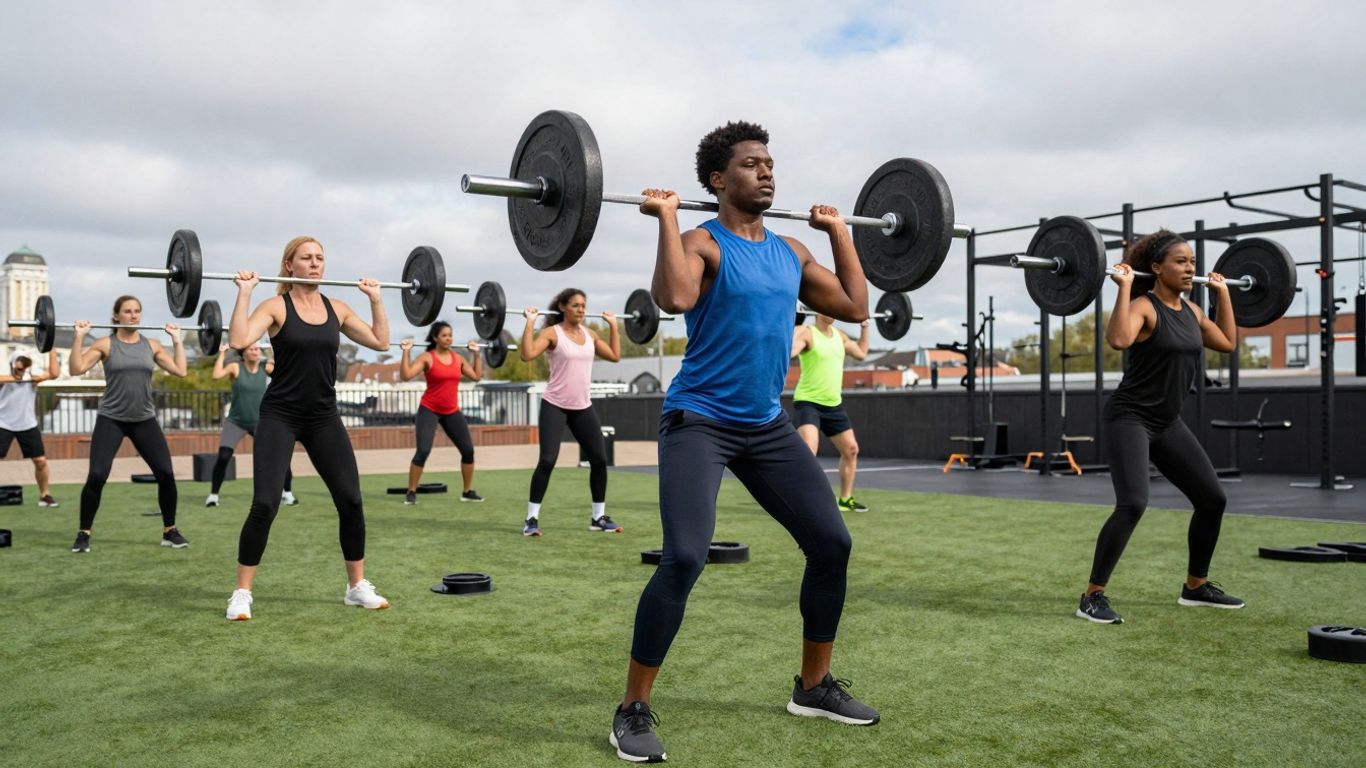
Getting stronger doesn’t have to be complicated. You might think strength training is just for serious athletes, but it’s actually something anyone can do, at any age. It’s not just about looking good; it’s about feeling good and being able to do all the things you want to do in life. This guide will break down how strength training works and how you can make it a part of your routine, no matter your starting point.
Key Takeaways
- Strength training builds muscle, which helps your body burn more calories even when you’re resting.
- Regular strength training can make your bones denser and your joints healthier, reducing the chance of injury.
- Doing strength training exercises can improve your mood and help you feel less stressed.
- Functional strength training uses movements that are similar to everyday activities, making daily tasks easier.
- Consistency is more important than intensity when starting out; find a routine you can stick with and adjust it as you get fitter.
Understanding The Power Of Strength Training
Strength training is way more than just lifting heavy things at the gym fitness center. It’s like giving your body a supercharge, and the benefits reach way beyond just looking good. Think of it as an investment in your overall health and how well you can do everyday stuff.
Building Muscle And Boosting Metabolism
When you lift weights or do resistance exercises, you’re actually creating tiny tears in your muscle fibers. Don’t worry, that’s a good thing! Your body then repairs these fibers, making them bigger and stronger. This process is how you build muscle mass. More muscle means your body burns more calories, even when you’re just sitting around. It’s like turning your body into a more efficient calorie-burning machine.
- Increased muscle mass leads to a higher resting metabolic rate.
- This means you burn more calories throughout the day, aiding in weight management.
- It also helps improve your body composition, meaning a higher ratio of muscle to fat.
Enhancing Bone And Joint Health
Strength training isn’t just for your muscles; it’s fantastic for your bones and joints too. The stress placed on your bones during these exercises actually encourages them to become denser and stronger. This is super important as we get older, as it can help prevent conditions like osteoporosis. Plus, stronger muscles around your joints provide better support, which can reduce pain and the risk of injury. It’s all about creating a more resilient and stable body.
Strengthening the muscles that support your joints can significantly improve stability and reduce the likelihood of sprains or strains during daily activities.
Improving Mental Well-being
Let’s not forget the brain! Lifting weights can do wonders for your mood and mental state. When you exercise, your body releases endorphins, which are natural mood boosters. Plus, the feeling of getting stronger and achieving new personal bests can really boost your confidence and self-esteem. It’s a great way to de-stress and feel more capable overall. You might find yourself feeling more focused and less anxious after a good strength training session.
Getting Started With Strength Training
Starting with strength training might seem a bit daunting, but honestly, it’s way more approachable than you think. It’s all about taking that first step and building from there. We’re going to break down how to get going, focusing on what really matters.
Setting Your Fitness Goals
Before you even pick up a weight, it’s smart to figure out what you want to achieve. Are you looking to just feel a bit stronger for everyday tasks, maybe lose some weight, or build noticeable muscle? Having a clear idea helps you pick the right exercises and stay motivated. Think about it like planning a trip – you need a destination to map out the route.
Here are a few common goals people have:
- General Fitness: Feeling more capable in daily life, like carrying groceries or playing with kids.
- Weight Management: Using strength training to help burn calories and build muscle that revs up your metabolism.
- Muscle Building: Focusing on exercises that encourage muscle growth for a stronger, more defined physique.
- Improved Health: Targeting specific areas like bone density or better blood sugar control.
Setting realistic goals is key. Don’t aim to run a marathon tomorrow if you’ve never run before. Start small, celebrate the wins, and build momentum. This approach makes the whole process feel much more manageable and less overwhelming.
Choosing The Right Exercises
Once you know your goals, you can pick exercises that fit. For beginners, it’s best to start with exercises that work multiple muscle groups at once. These are often called compound movements, and they give you a lot of bang for your buck. Think about movements you do every day, like squatting down to pick something up or pushing a door open.
Some great starting points include:
- Squats: Mimic sitting down and standing up. Great for your legs and core.
- Push-ups: Work your chest, shoulders, and arms. You can modify these by doing them on your knees if regular ones are too tough.
- Rows: These can be done with resistance bands or weights and are good for your back and biceps.
- Lunges: Excellent for leg strength and balance.
It’s also a good idea to look into beginner workout routines that offer a structured way to introduce yourself to different movements. The goal is to build a solid foundation.
Mastering Proper Form
This is probably the most important part. Doing an exercise with bad form is not only less effective, but it can also lead to injuries. It’s way better to do fewer reps with perfect form than to rush through a bunch of reps incorrectly. You can use a mirror to check your posture, or even record yourself to see how you look. If you’re really unsure, consider a session or two with a trainer to get you started on the right foot. They can show you the correct way to move and help you avoid common mistakes. Remember, consistency in good form is what leads to real progress.
Functional Strength Training For Everyday Life
What Is Functional Strength Training?
Think about all the things you do in a day: picking up groceries, lifting your kids, climbing stairs, even just getting out of a chair. Functional strength training is all about preparing your body for these real-life movements. Instead of just working one muscle at a time, it focuses on exercises that use multiple muscle groups together, just like you do when you’re living your life. It’s like training for the ‘job’ of everyday living, making those tasks feel easier and reducing your chances of getting hurt. It’s a practical approach to fitness that really pays off outside the gym.
Exercises For A Stronger Foundation
Getting started with functional training doesn’t require fancy equipment. You can build a solid base with simple, effective movements. Here are a few to get you going:
- Squats: These mimic sitting down and standing up. Stand with your feet about shoulder-width apart, then lower your hips as if you’re going to sit in a chair. Keep your chest up and push through your heels to stand back up. This is great for your legs and glutes.
- Push-ups: Whether you do them on your knees or toes, push-ups work your chest, shoulders, and arms, while also engaging your core. Keep your body in a straight line from your head to your knees or heels.
- Lunges: Step forward with one leg and lower your back knee towards the ground, keeping your front knee over your ankle. This exercise is fantastic for balance and strengthening your legs individually.
- Plank: Get into a position on your forearms and toes, keeping your body straight like a board. This is a killer for your core muscles, which are super important for stability.
Adapting To Your Daily Demands
Functional strength training is incredibly adaptable. You can adjust the intensity and complexity based on what you need. For instance, if you find yourself carrying heavy bags often, you might focus more on exercises that build grip strength and overall lifting power, like farmer’s walks or deadlifts with lighter weights. If you spend a lot of time sitting, exercises that improve posture and hip mobility, such as glute bridges and cat-cow stretches, become more important. It’s about making your body more capable for whatever your day throws at you. For personalized guidance on how to tailor your routine, especially if you’re in the North Carolina area, checking out a place like Clayton Fitness NC could be a great step.
Tailoring Strength Training To Your Goals
So, you’ve decided to get serious about strength training, which is awesome! But here’s the thing: not everyone’s goals are the same. Maybe you’re looking to shed a few pounds, pack on some serious muscle, or just feel a bit more limber day-to-day. The good news is, strength training is super adaptable. It’s all about making the workouts fit you, not the other way around.
Strategies For Weight Management
If your main aim is to manage your weight, strength training plays a big role. It’s not just about burning calories during the workout; it’s about what happens afterward. Building more muscle means your body burns more calories even when you’re just chilling on the couch. Pretty neat, right?
- High-Intensity Interval Training (HIIT): Mix functional exercises into short bursts of intense activity followed by brief rest periods. Think burpees, mountain climbers, and squat jumps. This really gets your heart rate up and your metabolism humming.
- Compound Movements: Focus on exercises that work multiple muscle groups at once, like squats, deadlifts, and overhead presses. These burn more calories and build more muscle overall.
- Consistency is Key: Aim for 2-3 strength training sessions per week, combined with regular cardio, to see the best results.
Remember, weight management is a marathon, not a sprint. Combining strength training with a balanced diet is your best bet for long-term success.
Building Muscle Mass Effectively
Want to get bigger and stronger? This is where progressive overload comes into play. It means gradually increasing the demand on your muscles over time. This could be lifting heavier weights, doing more reps, or reducing rest times. You’ve got to challenge those muscles to grow!
- Focus on Compound Lifts: Exercises like barbell squats, bench presses, and rows are your bread and butter for building overall muscle. Aim for lower rep ranges (like 6-10) with heavier weights.
- Adequate Protein Intake: Muscles need protein to repair and grow. Make sure you’re getting enough from your diet.
- Sufficient Rest: Your muscles actually grow when you’re resting, not when you’re in the gym. So, don’t skip out on sleep!
Boosting Flexibility And Mobility
Strength training isn’t just about brute force; it can also make you more flexible and mobile. This is especially important as we get older, but honestly, everyone can benefit from moving better. Think about exercises that take your joints through their full range of motion.
- Dynamic Stretching: Before your workout, do movements like leg swings, arm circles, and torso twists to warm up your muscles and joints.
- Yoga-Inspired Poses: Incorporate poses like Warrior II or Downward-Facing Dog into your routine. These can improve balance and flexibility.
- Full Range of Motion: When doing exercises like squats or lunges, try to go as deep as you comfortably can. This helps maintain and improve your joint mobility. You can find some great resources for functional mobility training online.
By adjusting your exercises, intensity, and focus, you can truly make strength training work for whatever you want to achieve. It’s your journey, after all!
Strength Training Across Different Ages
It’s pretty amazing how strength training can be beneficial no matter how old you are. It’s not just for young athletes or folks trying to build big muscles. Think of it as a tool that helps you live better, feel stronger, and stay independent throughout your life. The way we approach it might change a bit depending on where we are in life, but the core benefits stick around.
Youthful Energy and Development
For kids and teenagers, strength training is about building a solid foundation. It’s not about lifting super heavy weights, but more about learning how to move their bodies correctly and safely. This kind of training can help with coordination, build stronger bones, and even improve how they do in other sports. Plus, it can help them develop a healthy relationship with exercise early on.
- Improves coordination and balance.
- Strengthens bones and muscles.
- Can boost confidence and self-esteem.
- Helps develop good exercise habits for life.
Maintaining Vitality in Adulthood
Once you hit adulthood, life gets busy. Work, family, and all sorts of responsibilities can make it tough to find time for yourself. But this is actually a prime time to keep up with strength training. It helps combat the effects of sitting too much, keeps your metabolism humming, and can even help manage stress. Staying strong in your 20s, 30s, and 40s sets you up for a healthier future.
Here’s a quick look at what adults can focus on:
| Benefit | Description |
|---|---|
| Metabolism Boost | Helps burn more calories, even when you’re not working out. |
| Injury Prevention | Stronger muscles and joints mean fewer aches and pains from daily life. |
| Mood Improvement | Exercise releases endorphins, which are natural mood lifters. |
| Bone Density | Helps keep bones strong, reducing the risk of issues later on. |
Age-Defying Strength for Seniors
As we get older, maintaining strength becomes even more important for independence and quality of life. Strength training for seniors focuses on functional movements that help with everyday tasks – things like getting up from a chair, carrying groceries, or reaching for something on a shelf. It’s about staying mobile and reducing the risk of falls.
It’s never too late to start. Even gentle strength training can make a big difference in how you feel and function as you age. The focus is on safety, proper form, and movements that support daily living.
Some great exercises for seniors include:
- Chair squats (sitting down and standing up from a chair)
- Wall push-ups (pushing away from a wall)
- Bicep curls with light weights or resistance bands
- Walking or marching in place to improve balance
Navigating Your Strength Training Journey
So, you’ve been hitting the weights, feeling stronger, and maybe even noticing some changes. That’s awesome! But keeping the momentum going can sometimes feel like a puzzle. It’s not just about showing up; it’s about making sure your efforts are paying off in the long run. Consistency is the real secret sauce to seeing results. Think of it like tending a garden – you can’t just water it once and expect a full bloom. You need regular care and attention.
The Importance Of Consistency
Sticking with your strength training routine is what truly makes a difference. Sporadic workouts might give you a temporary boost, but it’s the regular effort that builds lasting strength and changes your body. It helps your muscles adapt and grow stronger over time. Plus, it builds a habit that becomes a natural part of your week, making it easier to stick with.
Here’s why showing up matters:
- Muscle Adaptation: Your muscles need consistent signals to grow and get stronger. Regular training tells them it’s time to build.
- Habit Formation: The more you do something, the easier it becomes. Strength training can go from a chore to something you look forward to.
- Long-Term Health: Consistent strength work supports bone density and keeps your joints healthy as you get older, which is a big deal.
Adapting Your Routine As Needed
Life happens, right? Sometimes you’re tired, sometimes you’re busy, and sometimes your body just needs a break. That’s totally okay. The key is to be flexible and listen to what your body is telling you. If you’re feeling run down, maybe swap a heavy lifting day for some lighter work or active recovery. If you’re traveling, look for ways to keep moving, even if it’s just bodyweight exercises in your hotel room. It’s about finding ways to keep your fitness going, not necessarily doing the exact same workout every single time.
Here are a few ways to adjust:
- Listen to Your Body: Don’t push through sharp pain. Rest or modify exercises when needed.
- Vary Your Workouts: Mix things up to prevent boredom and challenge your muscles in new ways. Try different exercises or change the order.
- Adjust Intensity: Some days you’ll have more energy than others. It’s fine to lift a little lighter or do fewer reps when you need to.
Sometimes, the best workout is the one you actually do. Don’t let perfection be the enemy of good enough. If you can only manage 20 minutes instead of 45, that’s still 20 minutes of progress.
Fueling Your Body With Nutrition
What you eat plays a massive role in how you recover and build muscle. Think of food as the building blocks for your stronger body. Protein is super important for muscle repair, but don’t forget about carbs for energy and healthy fats for overall function. Staying hydrated is also key – water helps everything work smoothly. If you’re looking for guidance on how to eat for your training goals, checking out resources on healthy eating habits can be really helpful.
Remember, this journey is yours. Be patient with yourself, celebrate the small wins, and keep showing up. You’ve got this!
Your Strength Journey Starts Now
So, there you have it! Strength training isn’t just for the super-fit or the young. It’s for everyone, at any stage of life. We’ve talked about how it helps your body stay strong, keeps your bones healthy, and even makes your brain feel better. Remember, it’s not about lifting the heaviest weights right away. It’s about starting somewhere, moving consistently, and finding what works for you. Whether you’re just beginning or looking to switch things up, the benefits are huge. Give it a try, be patient with yourself, and enjoy the process of becoming a stronger, healthier you. You’ve got this!
Frequently Asked Questions
Why is strength training good for me, even if I’m not trying to get super muscular?
Strength training does way more than just build big muscles! It helps make your bones stronger, which is super important as you get older to avoid breaks. It also makes your joints healthier and can even help you feel better mentally by reducing stress and boosting your mood. Plus, having more muscle helps your body burn more energy, even when you’re just chilling.
What’s the best way to start strength training if I’m a beginner?
The key is to start simple and focus on doing things correctly. Think about what you want to achieve, like being able to lift heavier groceries or just feeling stronger for daily tasks. Then, pick exercises that feel natural, like squats (like sitting in a chair) or push-ups (you can even do them on your knees to start). Watching videos and practicing in front of a mirror can help you get the form right.
What is ‘functional strength training’ and why is it important?
Functional strength training is all about exercises that copy movements you do in real life. Instead of just working one muscle at a time, it trains your body to work together for things like carrying bags, bending down, or reaching for something. This makes everyday tasks easier and helps prevent injuries because your body is better prepared for what you throw at it.
How can strength training help me lose weight or manage my weight?
When you build more muscle through strength training, your body becomes a better calorie-burning machine. Muscle uses more energy than fat, so even when you’re not working out, you’re burning more calories. This, combined with eating healthy foods, is a great way to lose extra weight and keep it off for good.
Is strength training safe for older adults?
Absolutely! Strength training is incredibly beneficial for seniors. It helps maintain independence by making everyday movements easier, improves balance to prevent falls, and keeps bones strong to reduce the risk of fractures. It’s all about adapting the exercises to your current ability and focusing on safe, controlled movements.
How often should I do strength training, and do I need fancy equipment?
For most people, doing strength training 2-3 times a week is a good goal, making sure to give your muscles rest days in between. You definitely don’t need fancy equipment to start! You can use your own body weight for exercises like squats, lunges, and push-ups. As you get stronger, you can add things like resistance bands or even household items like water bottles.