Booking a professional house cleaning service for the first time can feel uncertain. You’re letting strangers into your home, spending real money, and hoping the results match your expectations. The good news is that once you know what the process looks like, there’s very little guesswork involved.
This guide covers everything you need to know before your first appointment — from the types of cleaning packages available, to how pricing works, to what happens room by room. By the end, you’ll know exactly what you’re paying for and how to get the most out of every visit.
Key Takeaways
- Standard cleaning visits cover recurring maintenance tasks like dusting, vacuuming, mopping, and bathroom and kitchen surface cleaning.
- Deep cleans cost more because they cover areas skipped during routine visits — baseboards, appliance interiors, and grout lines.
- Pricing is based on home size, condition, and cleaning type — not a flat rate that applies to everyone.
- Move-in and move-out cleans are the most intensive and are priced separately from standard or deep cleaning packages.
- Preparing your home before cleaners arrive makes their job more efficient and your results better.
- Reliable companies are licensed, insured, and use written agreements — always verify before booking.
What Types of Cleaning Packages Do Professional Services Offer?
Quick Answer: Most professional cleaning companies offer four main package types: standard recurring cleaning, deep cleaning, move-in/move-out cleaning, and specialty cleaning. Each covers a different scope of work and is priced differently based on time and labor.
Standard Recurring Cleaning
This is the most common package. It covers regular maintenance tasks across your home — surfaces, floors, bathrooms, and kitchens. Most homeowners schedule this weekly, biweekly, or monthly.
It’s designed for homes that are already reasonably clean. The goal is to keep things consistently tidy rather than tackle buildup.
Deep Cleaning
A deep clean goes further than a standard visit. Cleaners target areas that get skipped during routine maintenance — inside ovens, behind furniture, baseboards, ceiling fan blades, and grout lines.
Most companies recommend starting with a deep clean before switching to recurring visits. It resets the home to a higher baseline, which makes ongoing maintenance faster and easier.
Move-In and Move-Out Cleaning
Move-out cleaning focuses on restoring a property to its original condition after a tenant or homeowner leaves. Move-in cleaning prepares a space for new occupants.
Both are more intensive than a standard deep clean. Empty rooms allow access to areas that furniture typically blocks, and clients usually request a higher level of detail for security deposits or new-home readiness.
Specialty and Add-On Services
Many companies offer optional add-ons you can request alongside any package. Common options include interior window cleaning, refrigerator cleaning, laundry, organizing services, and post-construction cleaning.
Add-ons are billed separately and should be confirmed in your booking agreement before the team arrives.
How Is Professional House Cleaning Typically Priced?
Quick Answer: Professional house cleaning is priced by home size, cleaning type, and visit frequency. A standard cleaning for a 1,500 sq ft home typically runs $120–$200. Deep cleans and move-out cleans cost more — often $250–$500 or higher depending on condition.
Pricing by Cleaning Type and Home Size
| Cleaning Type | Home Size | Typical Price Range | Frequency Option | Average Time On-Site |
|---|---|---|---|---|
| Standard Recurring | 1,000–1,500 sq ft | $100–$160 | Weekly / Biweekly | 1.5–2.5 hours |
| Standard Recurring | 2,000–2,500 sq ft | $160–$250 | Weekly / Biweekly | 2.5–4 hours |
| Deep Clean | 1,000–1,500 sq ft | $200–$320 | One-time or quarterly | 3–5 hours |
| Deep Clean | 2,000–2,500 sq ft | $300–$480 | One-time or quarterly | 5–8 hours |
| Move-Out Clean | Any size | $250–$600+ | One-time | 4–10 hours |
What Factors Affect the Final Price?
The condition of your home has a big impact on cost. A home that hasn’t been professionally cleaned in over a year will take longer and cost more than one that gets serviced regularly.
Other pricing factors include number of bathrooms, presence of pets, requested add-ons, and geographic location. Urban markets typically run 15–30% higher than rural or suburban areas.
Hourly vs. Flat-Rate Pricing
Some companies charge by the hour — usually $50–$90 per cleaner per hour. Others quote a flat rate based on square footage and cleaning type. Flat-rate pricing gives you cost certainty upfront, which most homeowners prefer.
Always confirm which model applies before booking. An hourly quote can change if the job takes longer than estimated.
What Does a Standard House Cleaning Actually Include?

Quick Answer: A standard cleaning covers all main living areas — kitchens, bathrooms, bedrooms, and common spaces. Cleaners dust surfaces, vacuum and mop floors, wipe down counters, clean sinks and toilets, and empty trash. It does not include deep tasks like oven interiors or window tracks.
Room-by-Room Breakdown of a Standard Cleaning Visit
Kitchen
- Wipe down countertops and backsplash
- Clean exterior surfaces of appliances (microwave, dishwasher, refrigerator)
- Scrub sink and faucet
- Wipe cabinet fronts
- Sweep and mop floor
- Empty trash
Bathrooms
- Scrub toilet inside and out
- Clean sink, faucet, and mirror
- Wipe down vanity and countertops
- Scrub shower and tub surfaces
- Sweep and mop floor
- Replace toilet paper if needed
Bedrooms and Common Areas
- Dust all accessible surfaces — furniture, shelving, picture frames
- Vacuum carpets and rugs
- Sweep and mop hard floors
- Wipe down light switches and door handles
- Make beds (if linens are left out)
- Empty trash bins
What a Standard Clean Does NOT Cover
Standard visits don’t include interior oven or refrigerator cleaning, window washing, wall washing, laundry, dish washing, or organizing cluttered spaces. These require add-on requests or a deep clean package.
If you have a specific task in mind, confirm it in writing before your appointment. Don’t assume it’s included.
What Extra Tasks Are Included in a Deep Clean?
Quick Answer: A deep clean adds detailed attention to neglected areas — inside the oven, under and behind furniture, baseboards, ceiling fans, window sills, light fixtures, and grout lines. It takes roughly twice as long as a standard visit and costs significantly more.
Deep Clean vs. Standard Clean: Task Comparison
| Task | Standard Clean | Deep Clean |
|---|---|---|
| Surface dusting | Yes | Yes (extended reach) |
| Vacuuming floors | Yes | Yes + under furniture |
| Baseboard cleaning | No | Yes |
| Interior oven cleaning | No | Yes |
| Interior refrigerator cleaning | No | Yes (if requested) |
| Window sill and track cleaning | No | Yes |
| Ceiling fan blade cleaning | No | Yes |
| Grout scrubbing | No | Yes |
| Light fixture cleaning | No | Yes |
How Do You Choose a Reliable House Cleaning Company?
Quick Answer: A reliable cleaning company is licensed, bonded, and insured, uses background-checked employees, provides written service agreements, and has verifiable reviews. Avoid companies that can’t confirm insurance or won’t put their service scope in writing.
Key Verification Checklist Before Booking
| Verification Factor | What to Ask or Check | Why It Matters |
|---|---|---|
| Insurance and Bonding | Ask for proof of general liability insurance | Covers damage or theft in your home |
| Employee Background Checks | Ask if staff are screened before hire | Reduces risk when giving home access |
| Written Service Agreement | Request a scope-of-work document before arrival | Prevents disputes over what’s included |
| Cleaning Products Policy | Ask what products they use and if eco-friendly options exist | Important for allergies, pets, or children |
| Cancellation Policy | Confirm notice period and any fees | Avoids surprise charges if plans change |
| Satisfaction Guarantee | Ask if they re-clean missed areas for free | Shows confidence in their service quality |
Red Flags to Watch For
Be cautious of companies that only accept cash, have no physical address or verifiable online presence, or refuse to provide a written quote. Extremely low prices — well below market rate — often signal unlicensed operators without insurance coverage.
Online reviews on Google and the Better Business Bureau are reliable indicators of consistency. Look for patterns in complaints, not just the star rating.
Independent Cleaner vs. Cleaning Company: Key Differences
| Factor | Independent Cleaner | Cleaning Company |
|---|---|---|
| Price | Lower ($15–$25/hr typical) | Higher ($30–$60/hr per cleaner) |
| Insurance | Often not insured | Usually carries general liability |
| Consistency | Dependent on one person’s availability | Can send backup if cleaner is unavailable |
| Equipment and Supplies | Varies — often brings their own | Usually standardized and professional-grade |
| Tax Responsibility | You may owe employer taxes (household worker rules) | Company handles all payroll taxes |
How Should You Prepare Your Home Before the Cleaners Arrive?

Quick Answer: Pick up clutter from floors and surfaces so cleaners can access what they need to clean. Secure valuables, communicate any priority areas, and make sure someone is available to grant access. Preparation takes 15–30 minutes and directly improves your results.
Pre-Cleaning Preparation Checklist
- Declutter flat surfaces — counters, tables, and floors. Cleaners clean surfaces, not organize belongings.
- Pick up clothing and personal items from floors and furniture so vacuuming and mopping can happen without obstacles.
- Secure valuables and sensitive documents — not because of distrust, but as a standard precaution.
- Move fragile or irreplaceable items to a safe spot if you’re concerned about accidental damage during dusting.
- Note any priority areas or problem spots and communicate them before the team starts.
- Ensure access to the property — confirm entry method (key, lockbox, or presence) in advance.
- Secure pets in a separate room or arrange for them to be elsewhere. This protects both the animal and the cleaning crew.
- Point out any fragile flooring or surfaces that require specific products or lower-pressure cleaning.
What You Don’t Need to Do Before They Arrive
You don’t need to pre-clean your home before the cleaners come. That’s their job. Rinsing dishes is fine if you want, but it’s not expected unless the company specifies otherwise.
Avoid rearranging furniture in an attempt to help. Cleaners have a system, and last-minute changes to room layouts create confusion and slow things down.
What Should You Expect During and After the Cleaning Visit?
Quick Answer: Cleaners typically work as a team of two to three people, moving room by room with a set routine. A standard visit takes one to four hours depending on home size. After the visit, do a walkthrough to confirm all tasks were completed before the team leaves.
During the Visit
Most teams follow a top-down, back-to-front cleaning method. They start with higher surfaces — shelves, counters, ceiling fans — and work downward. Floors are always cleaned last.
You’re welcome to stay home during the cleaning, but you don’t have to. Many clients leave and return after the visit is complete. If you stay, avoid the areas being cleaned to let the team work efficiently.
After the Visit: How to Evaluate the Results
Do a walkthrough before the cleaners leave. Check bathrooms, the kitchen, and any areas you flagged as priorities. If something was missed or doesn’t meet the agreed standard, say so immediately — most reputable companies offer a re-clean at no additional charge.
Take a few minutes to give feedback on what worked well and what needs adjustment for future visits. Building that communication early makes every subsequent visit better.
How Often Should You Schedule Professional House Cleaning?
Quick Answer: Most households with one to two adults benefit from biweekly professional cleaning. Homes with children, pets, or high foot traffic often need weekly service. Monthly cleaning works for low-traffic homes or those used as secondary residences.
Recommended Cleaning Frequency by Household Type
| Household Profile | Recommended Frequency | Typical Monthly Cost | Primary Reason |
|---|---|---|---|
| Single adult, small apartment | Monthly or biweekly | $90–$180 | Low traffic, minimal buildup |
| Couple, 2-bedroom home | Biweekly | $160–$300 | Moderate traffic, consistent maintenance |
| Family with children | Weekly or biweekly | $240–$500 | High surface contact, faster buildup |
| Home with pets | Weekly | $280–$520 | Pet dander, fur, and odor management |
| Vacation or secondary home | Before/after each stay | Varies by stay frequency | Guest readiness between uses |
Do Professional Cleaners Bring Their Own Supplies?
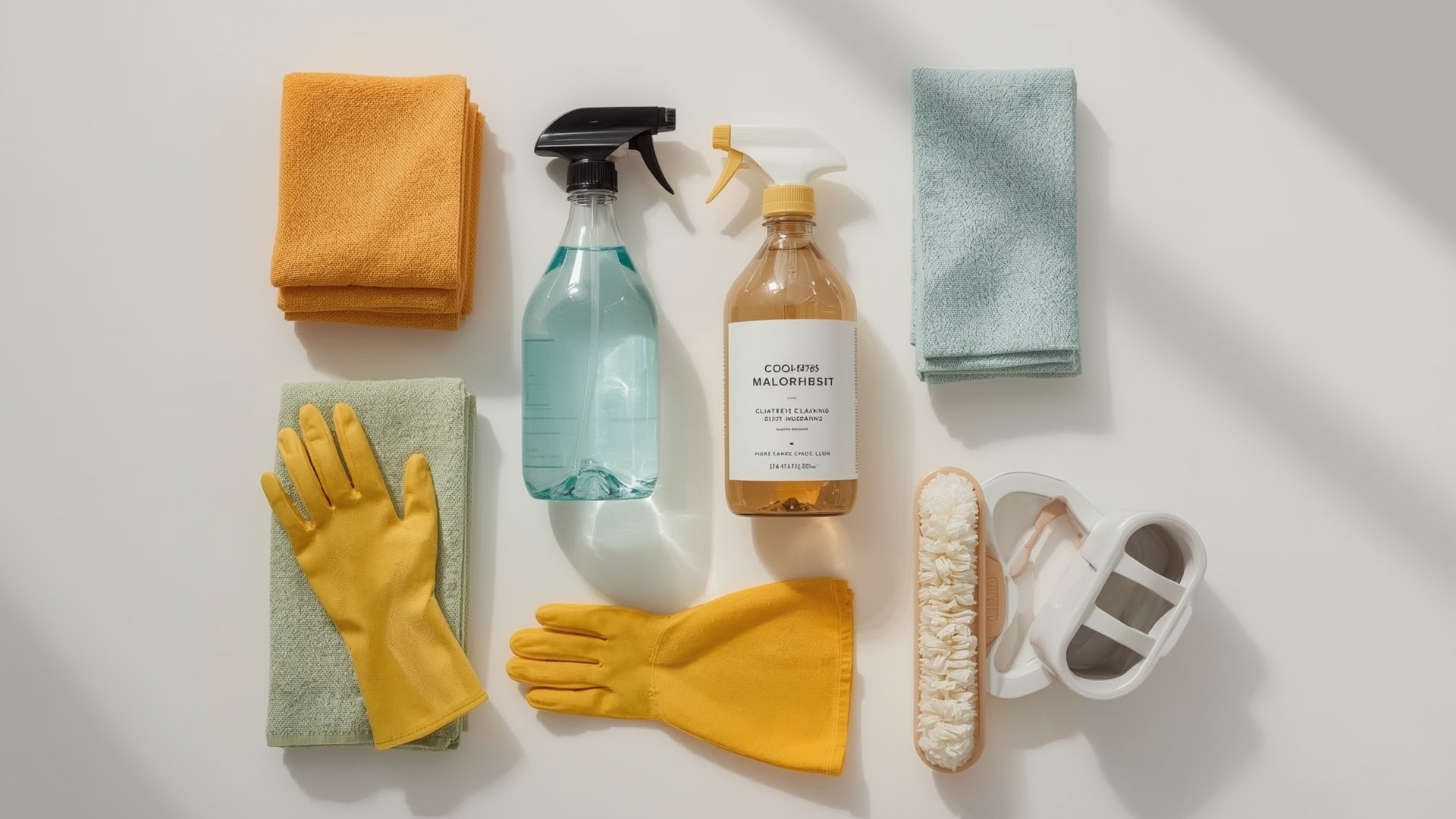
Quick Answer: Most professional cleaning companies bring their own supplies and equipment, including vacuums, mops, and cleaning solutions. You can usually request that they use your products instead — useful if you have specific preferences, allergies, or prefer eco-friendly formulas.
What Companies Typically Provide
Professional teams usually arrive with a standardized kit: multi-surface cleaners, disinfectants, microfiber cloths, a commercial-grade vacuum, mop and bucket, and toilet brushes. Some companies use color-coded cloths to prevent cross-contamination between bathrooms and kitchens.
When to Ask for Specific Products
If anyone in your household has allergies, asthma, or sensitivities to chemical cleaners, request fragrance-free or plant-based alternatives in advance. Many companies now offer green cleaning options as a standard choice.
If you have natural stone surfaces like marble or travertine, make sure to specify that. Standard acidic cleaners can etch and permanently damage these materials.
Frequently Asked Questions
Do I need to be home when the cleaning crew arrives?
No. Most clients provide a key or lockbox code and let the team work without being present. Just make sure your entry method is confirmed ahead of time. If you prefer to be home for the first visit, that’s completely fine too.
What happens if something gets damaged during the cleaning?
Reputable cleaning companies carry general liability insurance to cover accidental damage. Report any damage immediately after the visit — ideally before the team leaves. Document it with photos and contact the company in writing so there’s a clear record.
How long does a professional house cleaning take?
A standard cleaning for a 1,500 sq ft home typically takes two to three hours with a two-person team. Deep cleans take longer — usually four to eight hours depending on the home’s condition and size. Move-out cleans can take a full day for larger properties.
Can I skip rooms or customize what gets cleaned?
Yes. Most companies let you exclude specific rooms or focus the visit on particular areas. Just communicate your preferences when booking. Customizing the scope sometimes affects the price, so confirm the adjusted total in advance.
Should I tip the cleaning crew?
Tipping is not required but is genuinely appreciated. A common range is $10–$20 per cleaner per visit, or 15–20% of the total bill for special occasions like holiday visits or after an especially thorough deep clean. Cash tips handed directly to the crew are best.
What’s the difference between a bonded and insured cleaning company?
Insurance covers accidental damage caused during a cleaning. Bonding is a separate type of coverage that protects you if an employee steals from your home. A trustworthy company carries both. Always ask for proof of each before your first appointment.